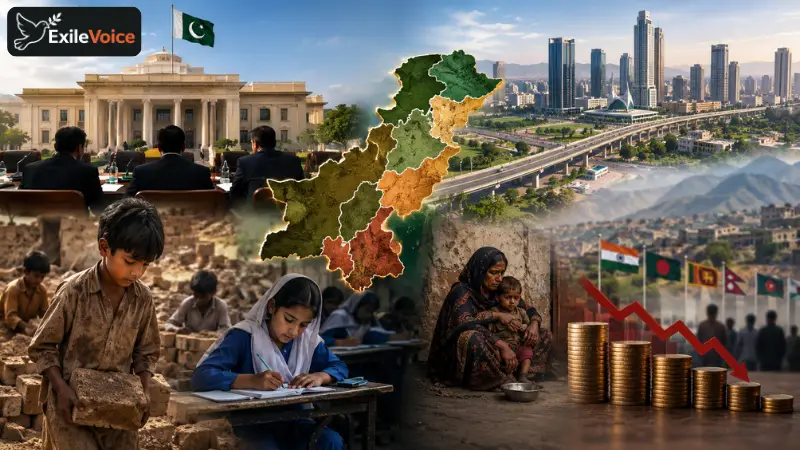
The debate surrounding the 2026 budget in Khyber Pakhtunkhwa has brought the issue of discretionary funds to the forefront of economic policy discussions. Public scrutiny was triggered by a significant reported increase in the Chief Minister’s discretionary fund, which saw a marked rise from 500 million to 4.4 billion PKR. The government’s subsequent clarification, stating that the funds were misclassified in the initial budgetary documentation and were intended for specific Chief Minister initiatives rather than general discretionary use, has sparked a broader debate on administrative precision and transparency.
This incident highlights a critical challenge in fiscal management: the necessity for clear, indisputable allocation of public funds. Financial experts emphasize that in an era of economic austerity, any lack of clarity in budgetary heads risks eroding public confidence. Furthermore, the discussion extends to the strategic use of such funds, suggesting that for genuine development, budgetary allocations must be prioritized for essential sectors like healthcare and education rather than broad discretionary grants. The incident serves as a case study for the importance of robust parliamentary oversight and the implementation of rigorous internal audits to prevent budgetary misallocation or administrative errors that can be misconstrued by the public and opposition parties.