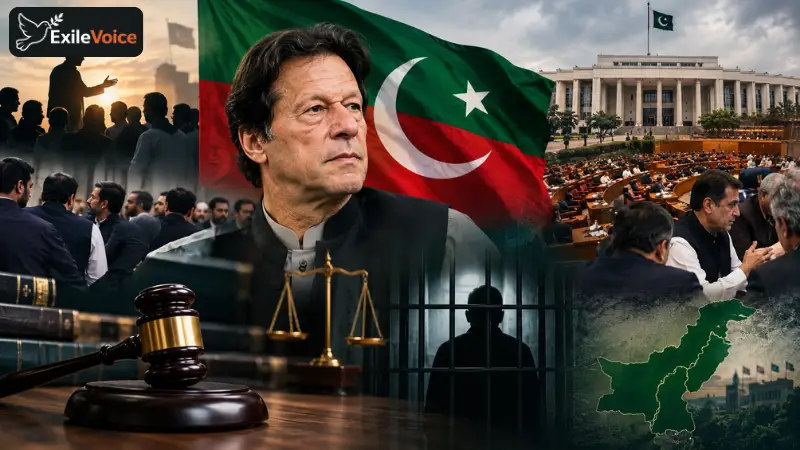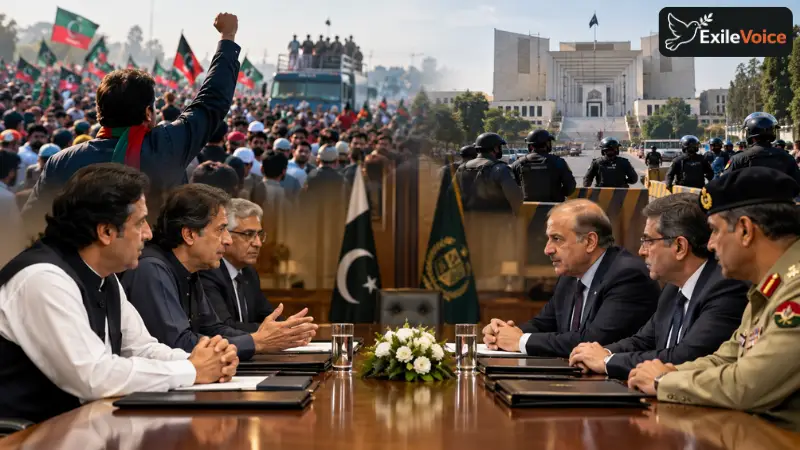
The dynamics of national political stalemates frequently hinge on high-stakes negotiations taking place far from public view. Recent developments indicate a pivotal turning point as formal and informal channels open between opposition leadership and government representatives. At the heart of this shift lies the strategic dilemma surrounding long-distance protest marches, mass mobilizations, and institutional mediation. For months, political polarization has tested the limits of governance, with opposition factions threatening street power to enforce demands while the state apparatus deployed security measures, urban containment tactics, and administrative blockades.
The initiation of back-channel dialogues marks a critical transition from confrontation to institutional bargaining. Political analysts point out that neither prolonged civil unrest nor heavy-handed state restriction serves the long-term stability of the governance framework. The decision to enter structured discussions reflects a calculated political assessment by key actors: street protests serve as vital leverage, but their ultimate utility lies in compelling adversary factions to negotiate substantive terms.
Central to these talks are core demands regarding judicial independence, political detentions, and constitutional guarantees surrounding electoral processes. Opposition leadership has consistently conditioned the suspension or postponement of mass rallies on concrete relief for incarcerated leadership and institutional assurances regarding political space. Conversely, government negotiators seek stability, economic predictability, and the prevention of capital blockades that strain public infrastructure and law enforcement resources.
The role of mediating bodies and key political figures has proven instrumental in breaking the deadlock. Behind-the-scenes meetings held at senior administrative levels suggest a mutual recognition that systemic crises cannot be resolved through law enforcement measures alone. As negotiators deliberate on key compromise points, including legislative adjustments and political concessions, the immediate threat of widespread urban disruption appears to be shifting toward managed political process.
Looking forward, the success of these negotiations depends on whether high-level commitments can translate into visible policy shifts. If dialogue produces tangible results, particularly regarding legal relief and civil liberties, the momentum for large-scale physical marches may naturally subside into constitutional channels. However, if talks stall or are perceived as delaying tactics, the threat of renewed mobilization remains a potent counter-strategy. The coming days will determine whether this operational window marks a durable political reconciliation or a temporary tactical pause.