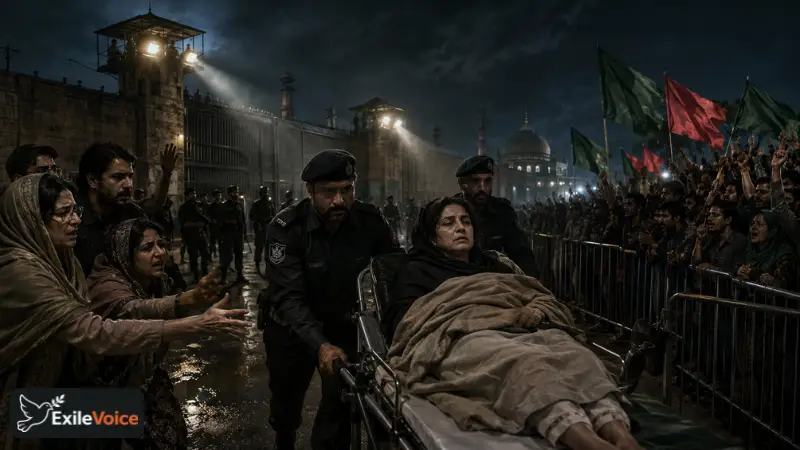
While Pakistan’s military-backed administration enjoys a rare moment of international diplomatic relevance due to its role in US-Iran negotiations, the domestic front tells a story of deepening polarization and humanitarian concern. The sudden hospitalization of Bushra Bibi, the wife of former Prime Minister Imran Khan, has reignited tensions. Transported from Adiala Jail to a hospital in the middle of the night without notifying her family, her condition remains a mystery. Her sister, Maryam, has raised alarms over the lack of diagnosis or transparency, describing the treatment as a form of "political vendetta" rather than legal process.
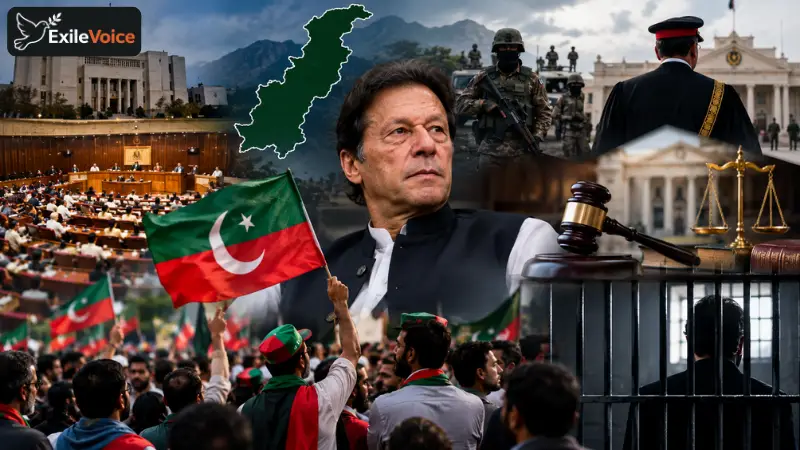
This domestic friction occurs as the Pakistan Tehreek-e-Insaaf (PTI) prepares to mark the anniversary of the May 9, 2023, incidents. The party views May 9 not as a spontaneous riot, but as a "Strategic Design" or "False Flag" operation intended to disintegrate PTI’s organizational structure. Critics argue that the events provided the legal and moral cover for the establishment to invoke anti-terrorism and foreign funding charges, effectively sidelining a party that held a massive public mandate.
The leadership of PTI, particularly Khyber Pakhtunkhwa Chief Minister Ali Amin Gandapur (referenced in the analysis as Sohail/Ali Amin), faces the challenge of mobilizing a "fatigued" base. While calls for a march on Adiala Jail have been issued for the coming Tuesday, public exhaustion is palpable. A recent survey suggests that while the "fear of the Colonel" remains a primary deterrent, the economic toll of constant legal battles and political activism has drained the party’s middle-tier leadership.
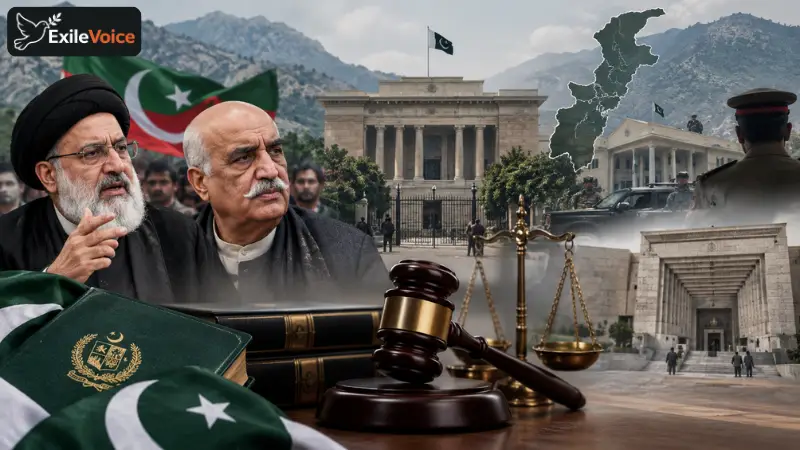
The paradox of the current Pakistani regime is striking: it possesses unprecedented international space through direct communication with Donald Trump, yet it maintains a "cruel and heartless" stance toward its domestic opposition. Analysts suggest that unless the government transitions from a strategy of "taking revenge" to one of political reconciliation, the international strength gained through diplomacy will fail to translate into domestic stability. The upcoming protests in global capitals like London, Chicago, and Washington on May 9 will serve as a litmus test for the PTI’s remaining international influence and the diaspora's commitment to the cause.