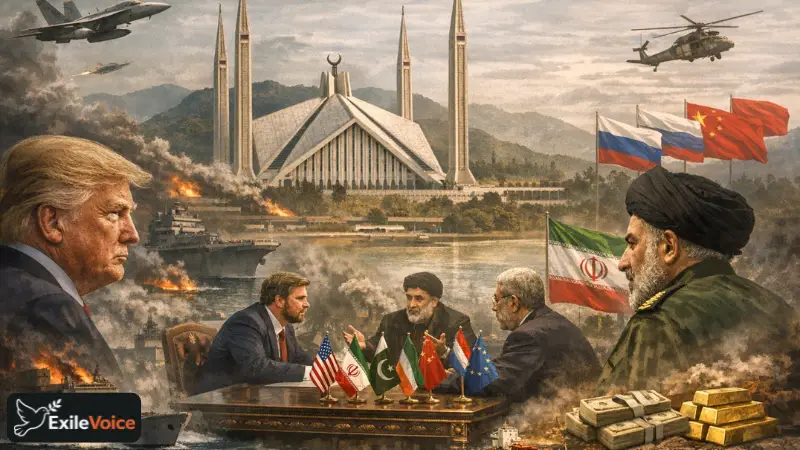
The current diplomatic maneuverings in Islamabad have led many analysts to question the underlying strength of the United States’ international influence. Some have dubbed this period as America's "Suez Movement," referencing the 1956 crisis that signaled the decline of the British Empire. This analogy stems from the observation that the Trump administration has been forced into a diplomatic facilitation after failing to achieve its military objectives through 40 days of intensive air strikes and naval pressure on Iran.
President Trump’s public statements reflect a complex mix of "bravado" and strategic retreat. While he maintains that Iran has "no cards left" and that its military infrastructure has been largely destroyed, his actions suggest otherwise. By sending Vice President J.D. Vance to Islamabad, the administration is signaling a desire for a diplomatic exit from a conflict that has become politically and economically unsustainable. The domestic refusal of the U.S. Congress to authorize massive funding for the Pentagon's operations further underscores the limits of executive power in the current American political climate.
The Iranian side, meanwhile, is leveraging its persistence. Despite sustaining over 21,500 hits from U.S. and Israeli forces, the Iranian state has not collapsed, and its ability to close the Strait of Hormuz remains its most powerful leverage point. The Iranian delegation in Islamabad is not there out of weakness but to negotiate from a position of survival. They are demanding the unfreezing of $100 billion in assets, funds blocked by various U.S. administrations since 1979 for reasons ranging from nuclear violations to human rights concerns.
For the international community, the Islamabad talks are a test of whether the U.S. can still dictate regional terms or if it must now negotiate as one of many stakeholders. The involvement of NATO, European allies, and the persistent presence of Russian and Chinese interests in the background suggest a more fragmented global order. As the talks proceed, the "Suez" comparison will continue to haunt the proceedings: is this a temporary pause in American dominance, or a definitive shift toward a multipolar world where regional facilitators like Pakistan play a more decisive role than traditional superpowers?