Content The geopolitical pulse of the Middle East is quickening as the United States and Iran approach a potentially decisive second round of negotiations. While the first encounter in Islamabad set a baseline, the forthcoming talks, alternatively suggested for Geneva or Islamabad, carry the weight of preventing a full-scale regional collapse. The diplomatic theater has expanded to include a complex web of intermediaries, with Pakistan’s leadership actively positioning itself as a central facilitator. Prime Minister Shehbaz Sharif, alongside Foreign Minister Ishaq Dar, is reportedly coordinating with Turkish and Egyptian authorities to expedite these discussions within the current week.
The primary friction point remains the nuclear enrichment timeline. Following the initial proposal from U.S. Vice President J.D. Vance, which demanded a 20-year moratorium on enrichment, Tehran has issued a counter-offer. Reports indicate that Iran is prepared to commit to a five-year period of "zero enrichment," covering both military and civilian purposes. While Donald Trump has publicly rejected this five-year window, strategic analysts view it as a "positive sense of direction." The gap between five and twenty years provides a fertile middle ground, perhaps settling at a 10 to 12-year compromise, similar to the architecture of the 2015 JCPOA.
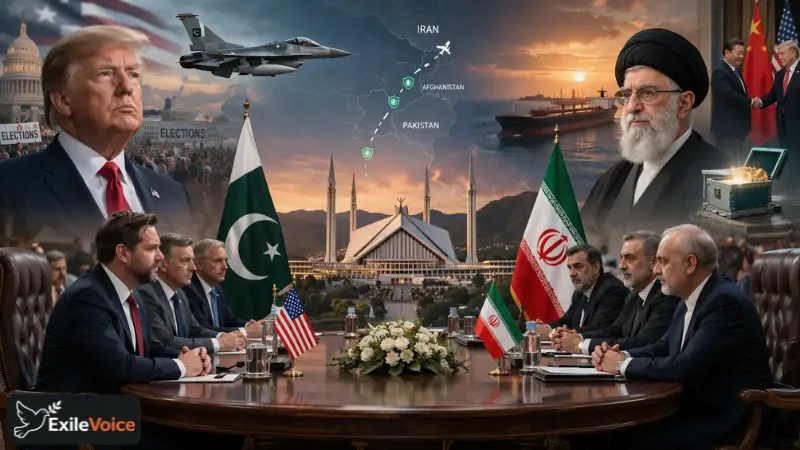
However, the motivations for the venue remain a subject of intrigue. Iran has expressed a clear preference for Islamabad, primarily due to security considerations. The flight path from Tehran to Islamabad allows Iranian delegations to transit through Afghan and Pakistani airspace, areas that are largely beyond the reach of Israeli interceptors requiring mid-air refueling. Pakistan’s F-16 squadrons have reportedly provided aerial security for these transits, a move that Tehran views as significantly more secure than a long-range flight to Switzerland.
For Donald Trump, the clock is ticking. With mid-term elections approaching and a major summit with Chinese President Xi Jinping scheduled for May, he requires a "victory" that can be sold to his domestic base. This victory would likely be framed as a successful "submission" of the Iranian regime, securing long-term nuclear guarantees and neutralizing the IRGC's influence. As the "Tiffany Box" of economic incentives, lifting primary and secondary sanctions, remains on the table, the coming days will reveal whether diplomacy can outpace the operationalization of the naval blockade.