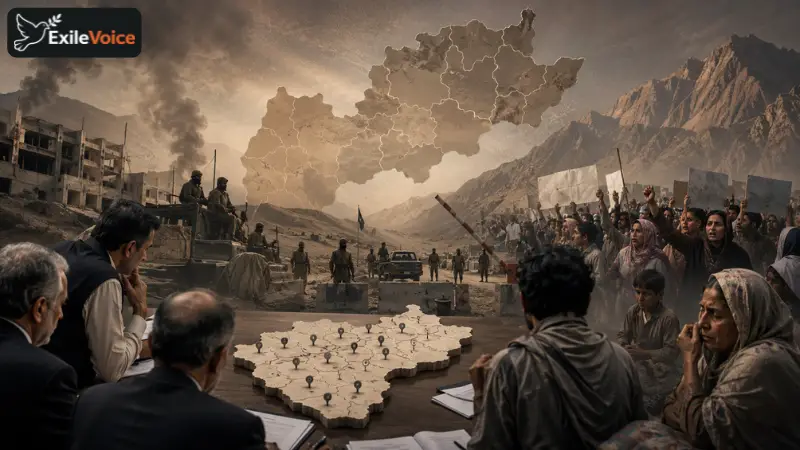
The security and administrative situation in Balochistan has reached a critical juncture, marked by persistent instability and violence. Recent reports indicate that the government has initiated a significant administrative reorganization, increasing the province's structure to 11 divisions and 41 districts. The government posits that this move is a long-term solution aimed at improving governance and security, yet critics argue that such bureaucratic shifts fail to address the underlying challenges that have rendered vast areas of the province effectively lawless.
Despite the official narrative of progress, the ground reality remains grim. Law enforcement agencies, including deputy commissioners and police, have reported severe limitations in their ability to operate, with some officials openly admitting to a lack of security even for themselves. In regions like Nushki, reports suggest that militants have established positions, set up checkpoints, and are exerting control over law enforcement vehicles, signaling a profound erosion of state authority. Furthermore, the lack of official response to humanitarian crises and protests by victims of violence has fueled public frustration. When Prime Minister Shehbaz Sharif visited Quetta, reports noted that he did not engage with protesters who were mourning the loss of 42 individuals, highlighting a disconnect between the administration and the suffering of the local populace.
The strategy of creating new districts and divisions is increasingly viewed as an insufficient response to the complex security landscape. Critics compare this to ineffective political maneuvers elsewhere in the country, arguing that without a comprehensive security and development strategy, these changes are merely cosmetic. As the province grapples with economic challenges, the influence of militant groups, and a pervasive sense of insecurity, the effectiveness of the current administrative approach remains under heavy scrutiny. The ongoing struggle for sovereignty and basic rights, particularly as the youth demand improved conditions, further complicates the path toward peace and stability in the region.