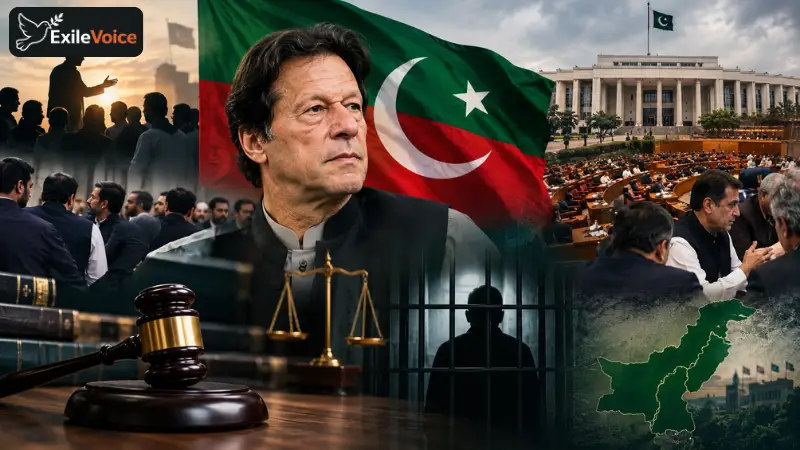
The intersection of state power, military establishment influence, and judicial administration in Pakistan continues to serve as a critical focal point for political analysts and international observers. Recent discourse surrounding systemic legal structures often highlights the complexities inherent in how state institutions enforce rules and penalize political dissent. Observers note that the evolving political landscape is heavily shaped by continuous friction between traditional political entities and institutional authorities, resulting in a climate where judicial processes are frequently scrutinized for impartiality.
Discussions regarding institutional dominance emphasize the role of concentrated executive and military power in steering governance outcomes. Analysts tracking South Asian geopolitics point out that legal instruments and tribunals are routinely leveraged to manage political outcomes, curb opposition movements, and enforce compliance across civil society. This approach to governance creates structural challenges for democratic consolidation, weakening the autonomy of civilian institutions and undermining public trust in foundational pillars like the judiciary and law enforcement agencies.
Furthermore, the implications of these dynamics extend beyond domestic governance, influencing international perceptions of human rights, rule of law, and regional stability. When legal frameworks are perceived as mechanisms of targeted enforcement rather than neutral arbiters of justice, the credibility of the state diminishes both internally and externally. Addressing these systemic vulnerabilities requires comprehensive structural reforms aimed at restoring the independence of the judiciary, protecting freedom of expression, and ensuring that accountability mechanisms apply equally across all tiers of power without political bias or institutional interference.