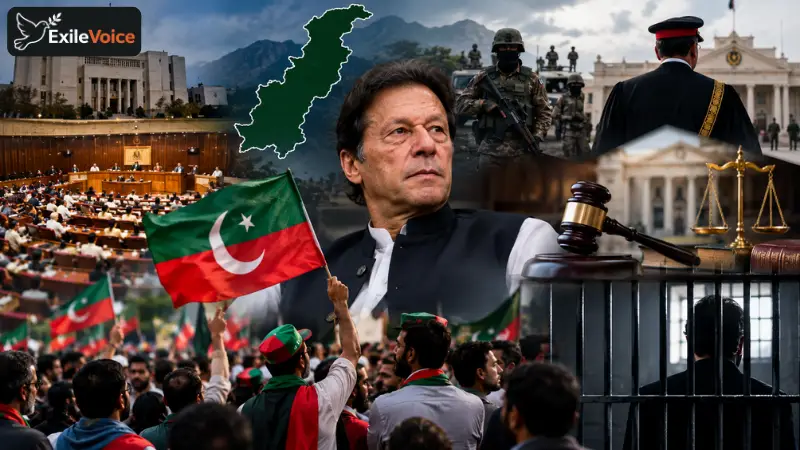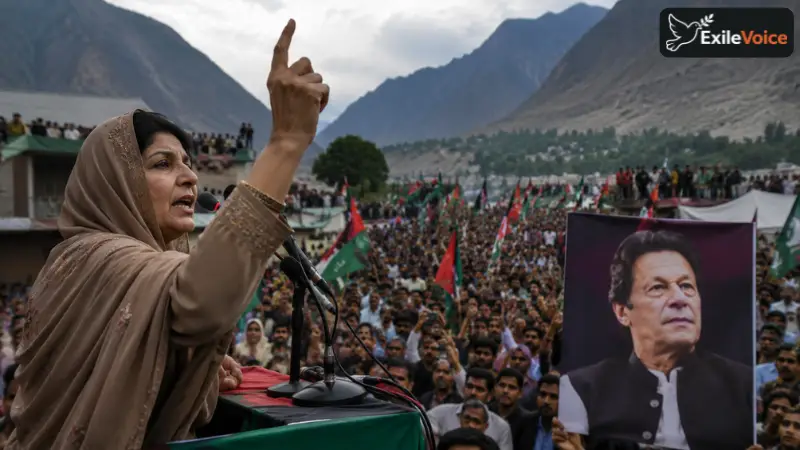
The political landscape in Pakistan is witnessing a significant shift as Aleema Khan has taken a proactive role in leading public rallies to demand the release of former Prime Minister Imran Khan. This development marks a notable change in the opposition’s strategy, moving from passive dissent to active, street-level mobilization. During her recent tour in regions like Chitral and Tamergara, Aleema Khan addressed crowds, emphasizing that the majority of the population remains firmly behind Imran Khan.
The move has sparked a debate regarding "dynastic politics." Some within the PTI leadership, such as Ali Muhammad Khan, have publicly expressed opposition to family members entering the political arena, citing Imran Khan’s own past instructions against his family’s involvement in politics. However, supporters argue that Aleema Khan’s actions are not aimed at power-grabbing or establishing a dynasty, but are a desperate, necessary measure to secure the release of an imprisoned leader.
The underlying frustration is palpable. There is a growing sentiment that the party’s previous strategies lacked consistency and a coherent, comprehensive plan for Imran Khan’s release. Aleema Khan’s leadership is seen by many as a vital step toward creating the necessary public pressure to challenge the current status quo. Her call to mobilize the public, particularly starting from Khyber Pakhtunkhwa, highlights a strategic pivot: the belief that without significant grassroots movement, the ruling authorities will not provide any relief to the incarcerated leader. The success of this movement will likely depend on whether the party can unite behind a single, unwavering goal rather than getting caught in internal policy shifts and inconsistent communication.