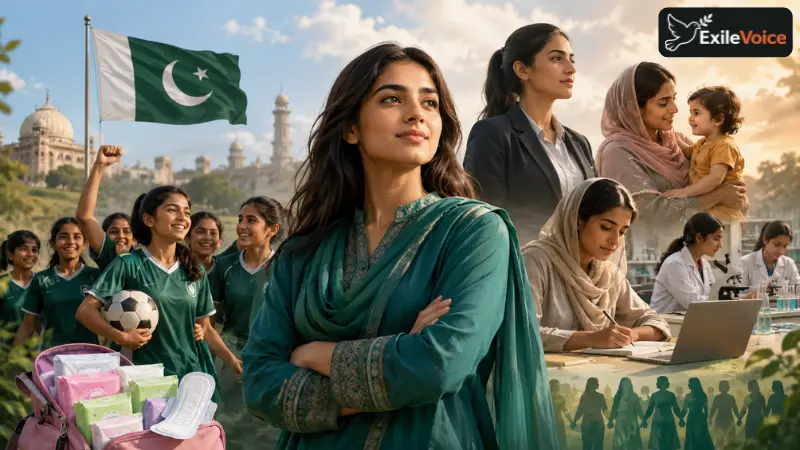
In a significant development for gender equality, Pakistan has taken a notable step toward improving women’s health and accessibility. The recent decision to remove taxes on sanitary products is being hailed as a progressive move, signaling a shift in how the state addresses issues surrounding women's reproductive health and hygiene. For years, these topics were largely confined to the shadows of societal discourse, hindered by cultural stigma and a lack of open dialogue.
This policy adjustment is particularly critical given that women represent approximately 51% of Pakistan's population, with a significant majority being under the age of 25. By increasing the accessibility of essential health products, the government is taking a tangible step toward empowering a generation of young women. Comparative data suggests that while challenges remain, as Pakistan's accessibility rates still lag behind regional neighbors, this move represents a crucial acknowledgment of the needs of the female population.
The impact of this policy extends beyond hygiene; it is a reflection of a broader global movement toward inclusivity and the prioritization of women's welfare in the workplace and society. Internationally, visibility matters, as seen in global examples of political leaders balancing professional responsibilities with family life. When such figures are empowered to lead while embracing their personal lives, it challenges traditional norms and sets a standard for inclusivity that resonates globally.
Furthermore, the achievements of young Pakistani women on international platforms, such as the youth football team from Lyari qualifying for prestigious international training, underscore the vast, untapped potential within the country. These success stories serve as a powerful counter-narrative to negative portrayals and highlight the importance of creating environments where young talent can thrive, regardless of their background.
While the journey toward true gender equality is ongoing, these developments suggest a positive, if gradual, evolution. The path forward requires persistent efforts to dismantle deep-seated biases and a commitment to policies that support women's health, education, and professional advancement. By fostering an environment that encourages these goals, Pakistan can unlock the economic and social potential of its largest demographic, ultimately moving toward a more inclusive and prosperous future.