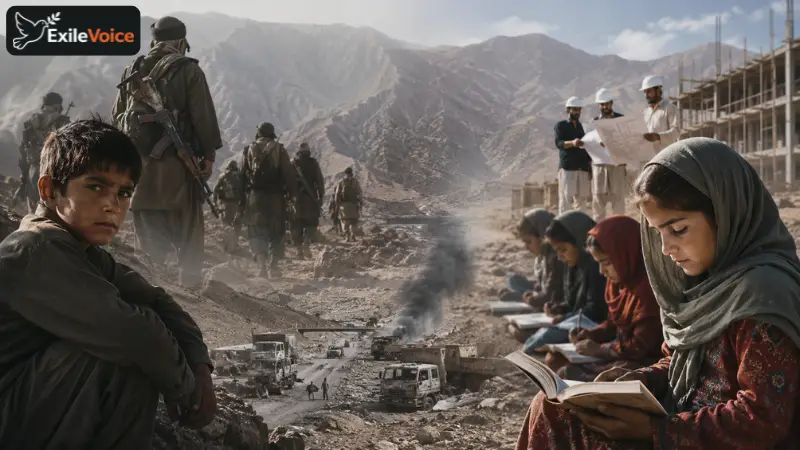
Balochistan continues to face a complex web of security challenges and humanitarian issues, marked by reports of widespread civil unrest, target killings, and a significant exodus of the youth toward insurgent paths. The severity of the situation is reflected in the recurring incidents of violence, including kidnappings and infrastructure attacks, which have destabilized the region and hindered the lives of its inhabitants.
The narrative surrounding Balochistan is often dominated by security-centric approaches. However, the depth of the grievances, ranging from economic marginalization to the feeling of political alienation, requires a multi-dimensional response. Reports of thousands of individuals retreating into the mountains to join militant groups highlight a profound failure in existing integration and conflict resolution strategies. When the youth, despite holding educational qualifications, view insurgency as their only viable path, it signals an urgent need for the state to reassess its outreach and developmental priorities.
Beyond the macro-level security issues, the humanitarian toll on families is devastating. The destruction of transport infrastructure and the insecurity on major trade routes have created an environment of fear. Addressing these issues requires more than just kinetic operations; it requires a sustained commitment to political dialogue and economic empowerment.
State priority must shift from purely securitized solutions to addressing the core concerns of the populace. Failure to do so risks further alienation and the potential for a long-term destabilization of the region. A professional and compassionate governance model, which respects local autonomy and invests in the socio-economic future of Balochistan’s youth, is the only sustainable way to move toward peace. It is imperative for policymakers to acknowledge the severity of the situation and engage in meaningful, transparent dialogue to resolve the deep-seated issues that have plagued the region for decades.