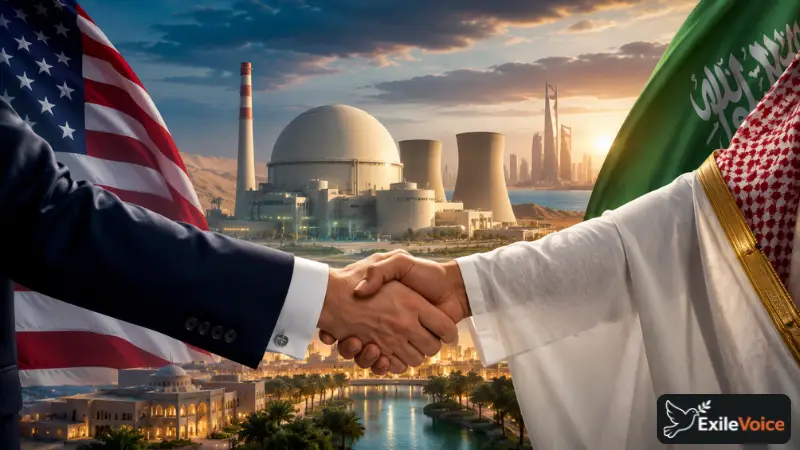
The geopolitical landscape of the Middle East has undergone a notable shift following the finalization of a civil nuclear cooperation agreement between the United States and Saudi Arabia. This landmark development highlights the growing strategic influence of Saudi Crown Prince Mohammed bin Salman and marks a pivotal chapter in Washington Riyadh relations.
For years, the pursuit of a civil nuclear program has been a cornerstone of Saudi Arabia's long term vision to diversify its economy and reduce its reliance on petroleum. Since becoming Crown Prince in 2015, Mohammed bin Salman consistently emphasized the presence of domestic mineral resources and the kingdom's intent to develop advanced energy capabilities. Despite initial skepticism from international analysts regarding the commercial viability of local uranium reserves, the political engagement between Riyadh and Washington steadily progressed.
The path to this agreement was characterized by diplomatic dexterity. Saudi leadership repeatedly underscored that if the United States declined to cooperate on nuclear reactor development, alternative partnerships could be forged with international players such as Russia, China, South Korea, or France. This strategic leverage, combined with shifting regional alignments, ultimately softened early resistance from regional critics and international observers. Furthermore, unlike prior nuclear frameworks established in the region, this agreement does not feature restrictive protocols that bar uranium enrichment, signaling a high level of trust and strategic alignment between the two nations.
The timing of this agreement is particularly significant given recent regional tensions. Following friction earlier in the year regarding maritime security operations and air space utilization in the Strait of Hormuz, this nuclear accord demonstrates a return to robust bilateral cooperation. American industrial sectors, particularly engineering firms like Westinghouse, stand to benefit significantly from infrastructure development within the kingdom. Ultimately, the formalization of this nuclear partnership solidifies Saudi Arabia's standing as a premier technological and economic powerhouse in the region while reinforcing its alliance with the United States.