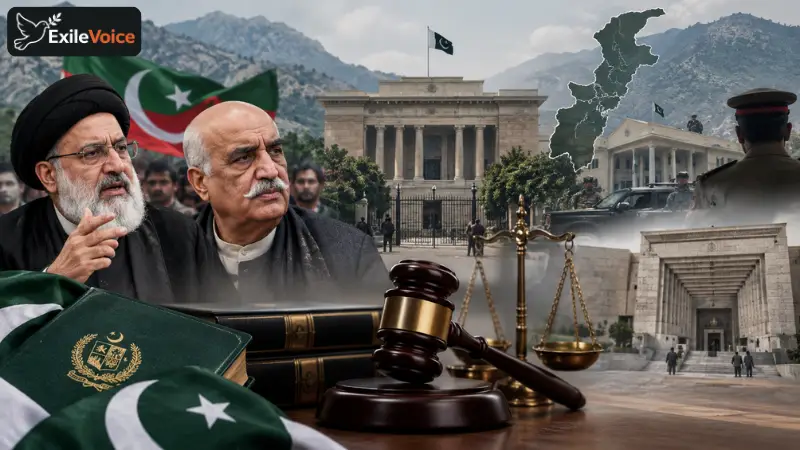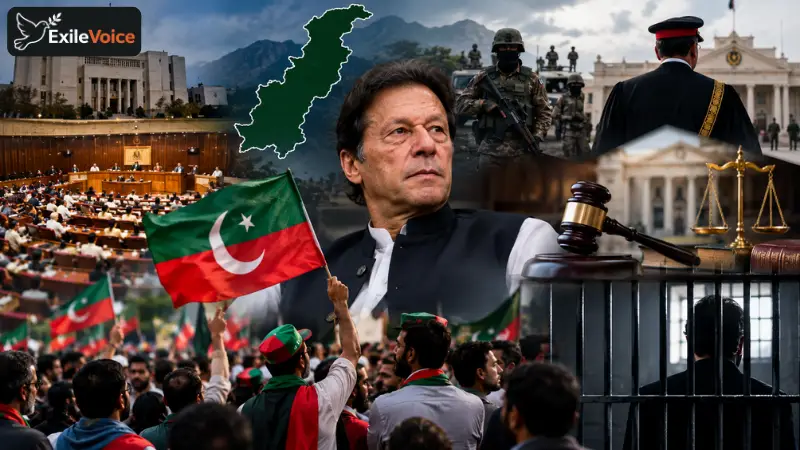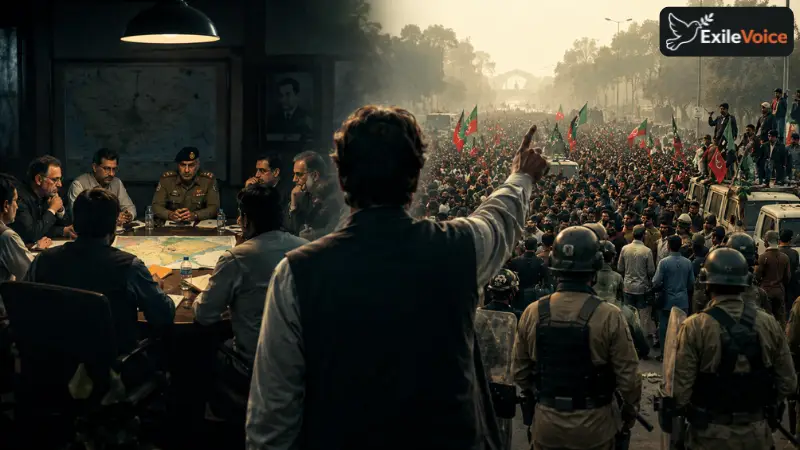
The political landscape of Pakistan has long been shaped by covert negotiations, strategic maneuvers, and contrasting narratives between civilian political actors and the military establishment. Recent revelations have brought to light significant details surrounding the November 26 protest, offering a clearer picture of the internal dynamics that governed the movement. According to statements emerging from various political and military figures, including figures like Ijaz-ul-Haq, arrangements and discussions were underway prior to the protest to potentially curtail the demonstration around specific geographical points such as Sanjirani.
During this critical juncture, leadership within the movement faced intense internal friction. While the official party structure and certain political committees deliberated on whether to halt the momentum or negotiate terms, grassroots workers and specific leadership elements pushed forward. The strategic decisions made during this period highlight a classic political struggle involving time-gaining tactics, communication barriers, and contrasting objectives between the leadership incarcerated within and those managing the movement on the outside.
The narrative reveals that despite various attempts to intercept or slow down the march, the determination of the participants and the overarching strategy devised from within confinement ultimately propelled the movement toward its destination. These developments underscore the complex interplay of power, resistance, and negotiation that continues to define Pakistan's contemporary political narrative. Observers and analysts continue to dissect these events to understand the broader implications for democratic norms, institutional transparency, and the future of political opposition in the country.