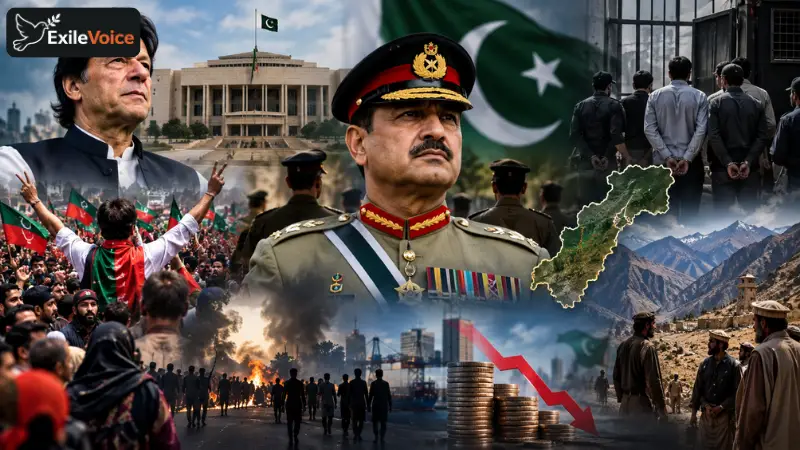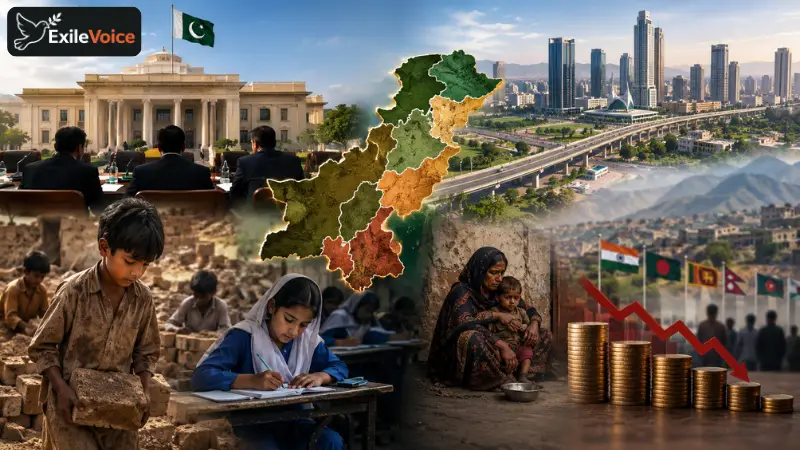
Recent economic and administrative evaluations reveal significant disparities across various provinces in Pakistan, with particular focus on regional governance frameworks. Observers note that while administrative models implemented in provinces like Punjab receive promotion for structured oversight, underlying socioeconomic indicators present a more challenging reality. Issues such as child labor, educational deficits, and rising poverty rates continue to strain local populations, prompting intense debate among policy analysts.
Furthermore, regional economic rankings place Pakistan at a disadvantage compared to several neighboring nations in South Asia regarding core human development metrics. Critics argue that public messaging and media management often overshadow the pressing need for structural economic reforms. Addressing these systemic challenges requires moving beyond political rhetoric to focus on tangible public service delivery, infrastructural support, and equitable resource distribution to uplift vulnerable communities.