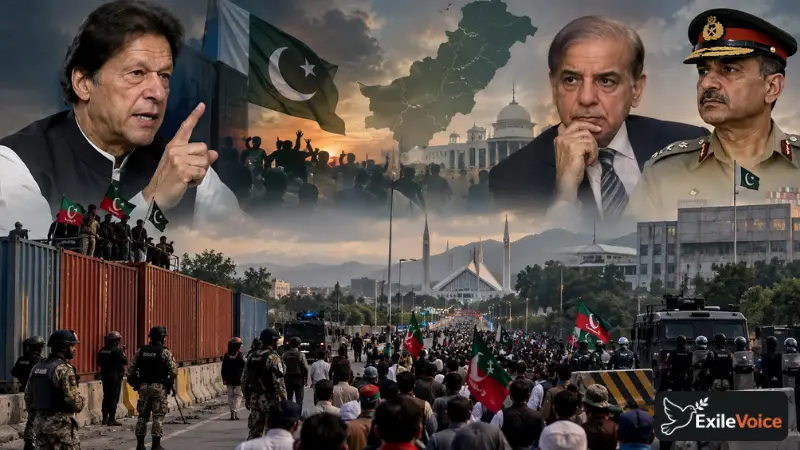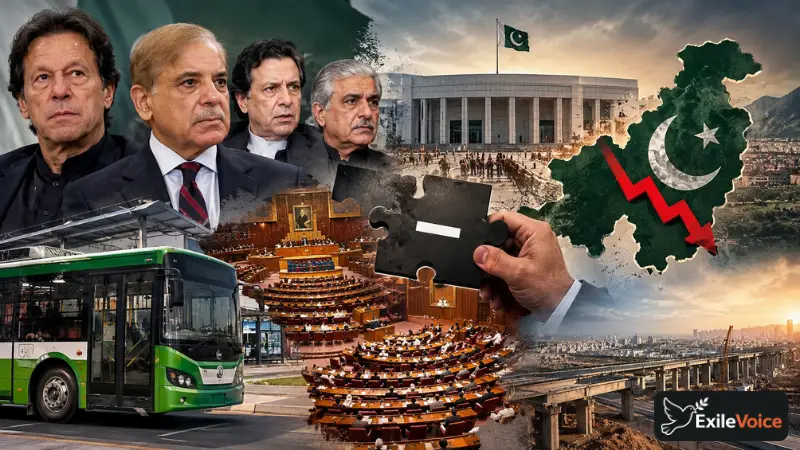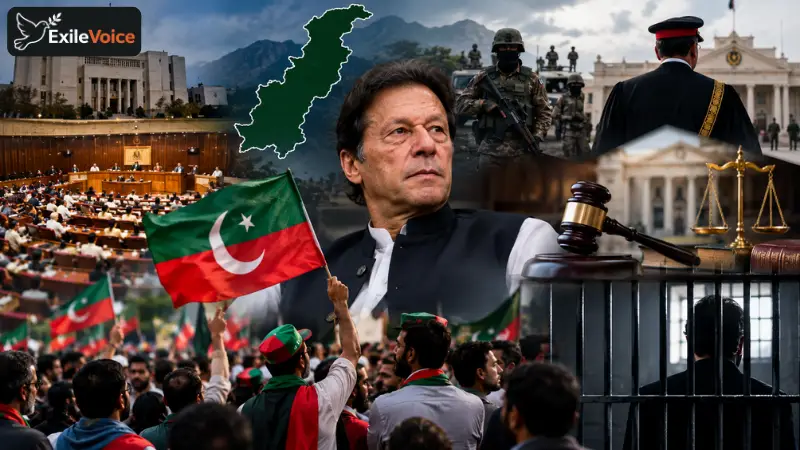
The current political climate in Pakistan has reached a critical juncture, centering on the immense pressure faced by Pakistan Tehreek-e-Insaf (PTI) following administrative clampdowns, emergency measures, and the implementation of governor rule in regions like Khyber Pakhtunkhwa. Political analysts, legal experts, and commentators are increasingly asking a central question: what strategic options remain for PTI leadership and its core support base as state machinery tightens its grip?
To understand the gravity of the current situation, one must evaluate the constitutional and political dimensions at play. PTI has historically relied on street mobilization, legal challenges, and parliamentary pressure. However, the introduction of emergency provisions, heightened security measures, and targeted legislative actions have severely constricted traditional avenues of political expression. When governance structures are disrupted by emergency decrees, opposition parties face difficult choices between street agitation, which risks intense law enforcement crackdowns, and legal battles within courts that face systemic delays.
Legal challenges mounted by PTI representatives, such as petitions filed in high courts against governor rule, represent one line of defense. Party leaders argue that extraordinary administrative measures bypass democratic norms and violate constitutional protections. Yet, legal victories alone have proven insufficient when executive authority enforces sweeping executive orders. Furthermore, parliamentary platforms, though utilized by PTI leaders to deliver fiery speeches and denounce state overreach, are increasingly rendered ineffective by legislative numbers and institutional polarization.
Beyond institutional maneuvers, the dilemma for PTI lies in maintaining organizational cohesion. Continuous pressure, the detention of key figures, and restrictions on public gatherings create severe friction for grassroots mobilization. Observers note that while public sentiment remains strongly aligned with jailed former Prime Minister Imran Khan, converting emotional support into sustainable, unyielding political leverage requires a cohesive strategy that transcends regional boundaries. If provincial strongholds face systemic intervention, the party risks being cornered into a purely defensive posture.
Ultimately, the future trajectory of Pakistani politics depends on whether institutional stakeholders can find a political compromise or if polarization will deepen further. For PTI, survival requires navigating a delicate balance between legal resistance, strategic parliamentary engagement, and disciplined grassroots resilience. As the pressure mounts, the party's leadership faces the ultimate test of political endurance in an increasingly hostile environment.