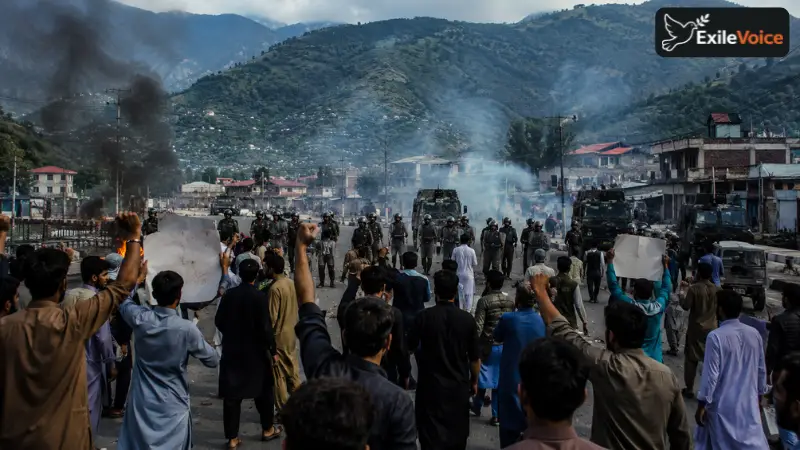
Recent weeks have witnessed massive unrest and violent clashes gripping Pakistan-administered Kashmir, drawing international attention to a strategically vital region. At the center of this upheaval is the Jammu Kashmir Joint Awami Action Committee (JAC), a civil society coalition formed in 2003 that brings together shopkeepers, small farmers, lawyers, and concerned citizens. While initial mobilizations centered around domestic grievances such as electricity tariffs, wheat subsidies, and local access to resources, the movement has expanded to challenge systemic political structures.
A core demand of the JAC is the restructuring or abolition of the 12 assembly seats reserved for refugees, known as Muhajirs, who crossed over decades ago. Critics argue that these reserved seats function as a mechanism for Islamabad and Rawalpindi to engineer election outcomes and maintain control over the local legislature. Furthermore, protesters have pushed back against institutional elitism, demanding cuts to the lavish privileges, armored vehicles, and utility exemptions enjoyed by cabinet ministers in the region.
The state's response to these demonstrations has involved strict security measures, internet blackouts, and transportation restrictions reminiscent of martial law. Reports from independent journalists and local groups indicate multiple casualties and numerous injuries during the crackdowns. Although the government has sought to label the JAC a proscribed terrorist organization with alleged external backing, local analysts point out the contradiction of a state engaging in years of negotiations with these same community leaders before resorting to such severe designations. As the situation continues to evolve, the handling of dissent in this sensitive border territory remains a critical test for governance and stability in the region.