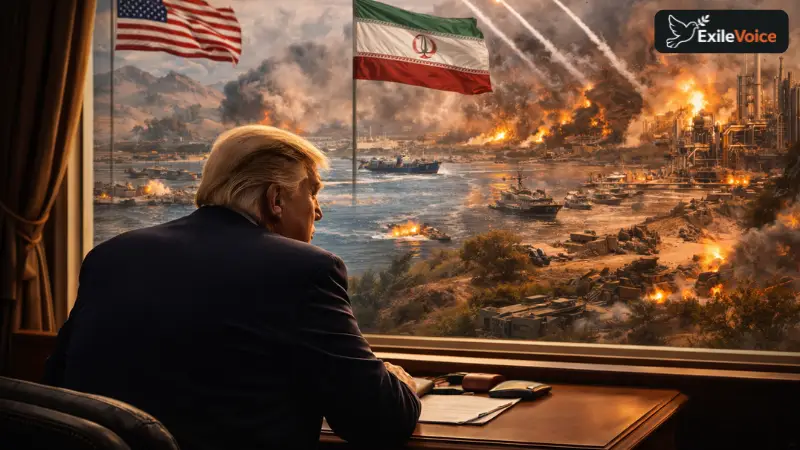
In a move that has caught global observers by surprise, Donald Trump is actively signaling a desire to halt hostilities in the Middle East, specifically regarding the conflict with Iran. This shift raises a fundamental question: if the U.S. and its allies are in a position of relative military advantage, why move toward a ceasefire now? The answer lies in a complex intersection of domestic political needs, global economic stability, and the high cost of a "no-win" war.
The conflict, which escalated significantly throughout March 2026, has seen massive military build-ups and strikes that targeted high-value assets. However, as history has shown in Afghanistan and Iraq, military superiority does not always translate into a stable or favorable political outcome. Trump’s administration appears to have realized that a prolonged war with boots on the ground would not only destabilize the region further but also trigger a global economic recession. With oil and gas prices surging due to the near-standstill of shipping through the Strait of Hormuz, the economic stakes have become too high for a president who campaigned on American prosperity.
Furthermore, the "winning" narrative is being challenged by Iran's resilience. Despite significant strikes, Iran’s missile capabilities and its refusal to budge on key U.S. conditions have created a strategic stalemate. Trump’s recent 5-day pause in attacks suggests a search for an "exit ramp" that allows for a face-saving diplomatic resolution. By shifting the narrative from "regime change" to "negotiated peace," the administration aims to secure U.S. interests without the catastrophic fallout of a wider regional conflagration.
The pivot also reflects a realization that the global order is shifting. With players like China positioned to act as alternative mediators and regional powers like Turkey and Egypt entering the fray, the U.S. is under pressure to dictate the terms of peace before it loses the initiative. Trump’s current strategy is a high-stakes attempt to leverage military pressure into a favorable diplomatic deal that secures energy corridors and stabilizes regional allies, all while avoiding the trap of another "forever war."