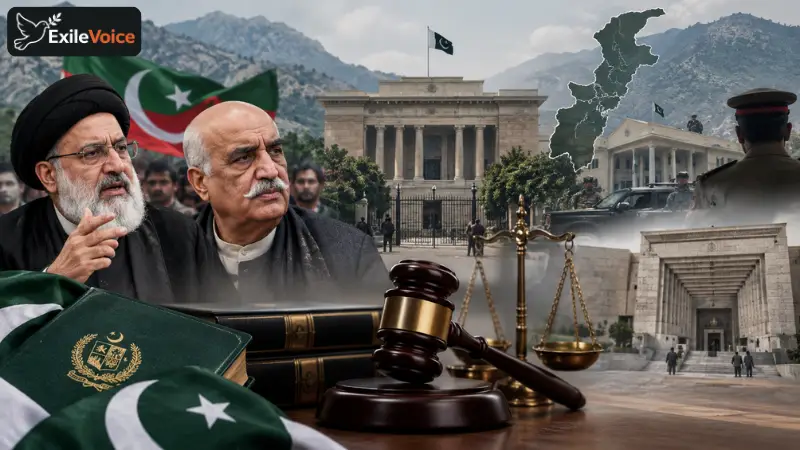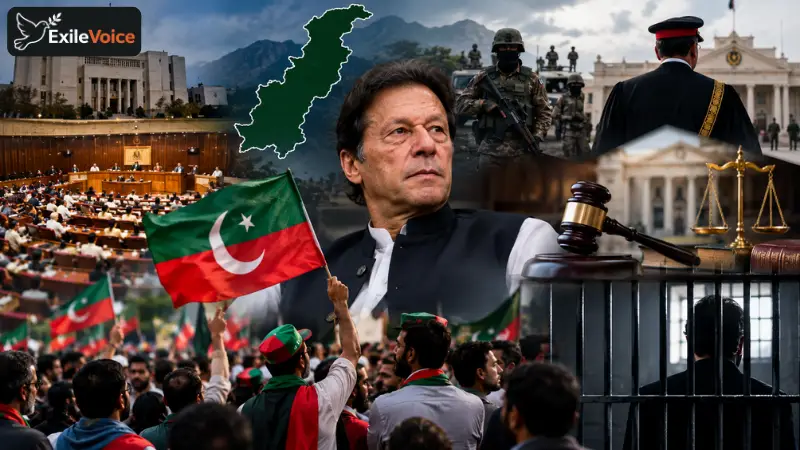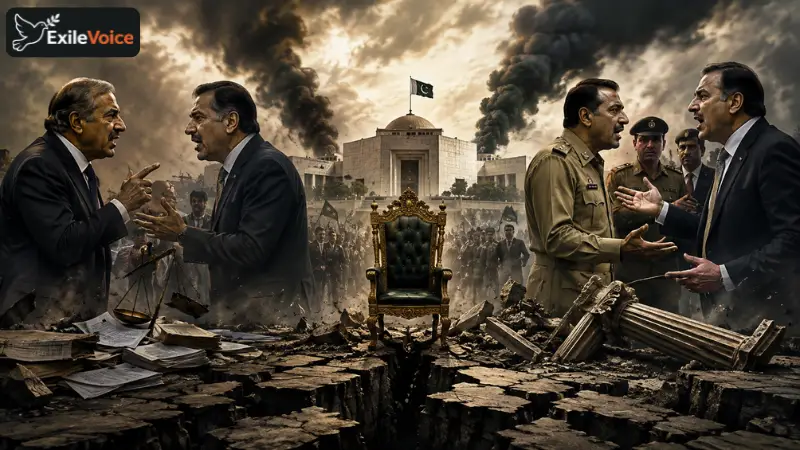
The contemporary political landscape of Pakistan reveals a deep systemic crisis characterized by intense friction between ruling political factions and institutional players. Recent developments highlight a public breakdown of communication and strategic alignment within the ruling coalition, notably marked by sharp verbal exchanges between senior government figures and federal administrators. Observers note that these conflicts stem from mounting institutional stress and socioeconomic pressures, forcing political actors into defensive postures.
Furthermore, analysts point to historical patterns of governance where civilian authorities and administrative machinery operate under severe strain, often leading to mutual recriminations over policy implementation, economic stagnation, and security failures. The fragmentation within the power apparatus reflects a broader systemic inability to deliver essential public services, resulting in widespread public disillusionment. As political alliances shift and tactical accommodations are continuously renegotiated to maintain fragile stability, the core structures of governance continue to face unprecedented challenges regarding legitimacy, operational coherence, and long term viability.