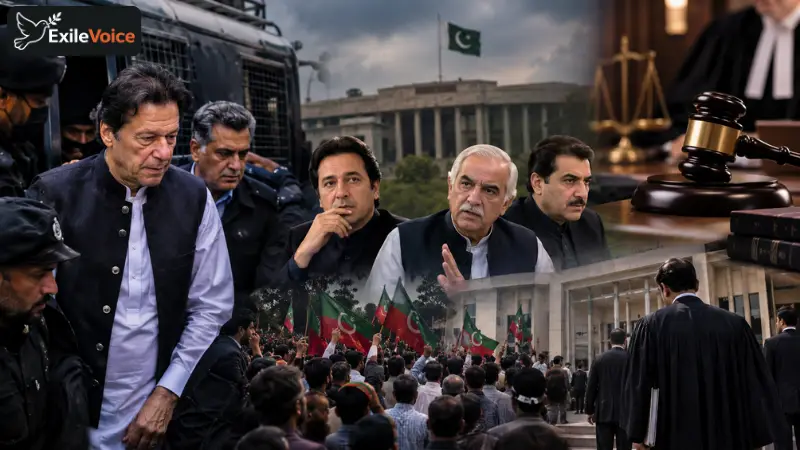
The recent electoral processes in regions administered by Pakistan have drawn severe international attention following widespread reports of boycotts and violent crackdowns. International news outlets, notably Al Jazeera and its prominent journalist Kamal Hyder, attempted to cover the ground realities, exposing hollowed-out polling stations and public alienation from the electoral framework. In response to the extensive coverage of protests and civilian grievances, the Ministry of Information enforced strict regulatory measures restricting foreign media access outside major urban centers like Islamabad, Lahore, and Karachi. Furthermore, digital access to Al Jazeera's website was restricted within the country, drawing comparisons to stringent censorship models. Local leadership and activist committees have maintained their stance, rejecting the legitimacy of the results while documenting ongoing casualties and humanitarian concerns. Independent observers emphasize that these sweeping restrictions on international reporting reflect deep-seated vulnerabilities within the administrative apparatus, as authorities attempt to control the narrative surrounding civil unrest and disputed electoral outcomes.
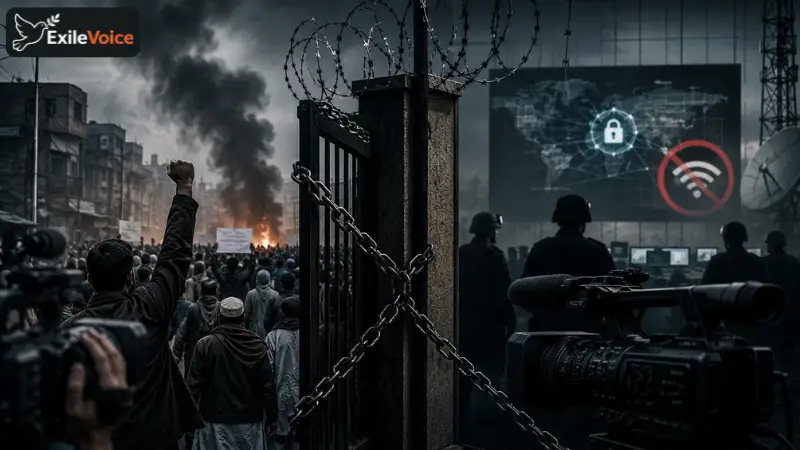
International Media Blackout and Censorship Intensify Amid Kashmiri Electoral Controversy
AI Quick Read
- International media outlets actively covered widespread public boycotts and protests surrounding regional elections.
- The Ministry of Information restricted foreign media reporting to a few designated urban centers, effectively barring access to conflict areas.
- Digital platforms of international broadcasters, including Al Jazeera, faced access restrictions within the country.
- Local activist leadership rejected the election results, demanding free and fair electoral processes.
- Observers note that media censorship highlights government sensitivity to unfavorable ground reports.