

The ruling coalition in Pakistan is experiencing severe internal friction as constituent political parties navigate complex power-sharing dynamics and mounting public discontent. Major political entities, including the Pakistan Peoples Party and Pakistan Muslim League Nawaz, are reportedly engaged in intense strategic maneuvering to secure larger administrative shares while attempting to distance themselves from accountability for ongoing crises. Public statements from political figures have increasingly acknowledged systemic flaws within the governance structure, reflecting deep distrust among coalition partners. Political analysts suggest that while the allied parties previously made extensive compromises to attain power, competing ambitions for total administrative control have triggered intense political friction. This internal discord is further compounded by economic burdens, controversial welfare distributions, and the fallout from mishandled regional crises . As coalition partners trade barbs and maneuver for leverage, experts predict that the fragile alliance will face mounting sustainability challenges moving forward.
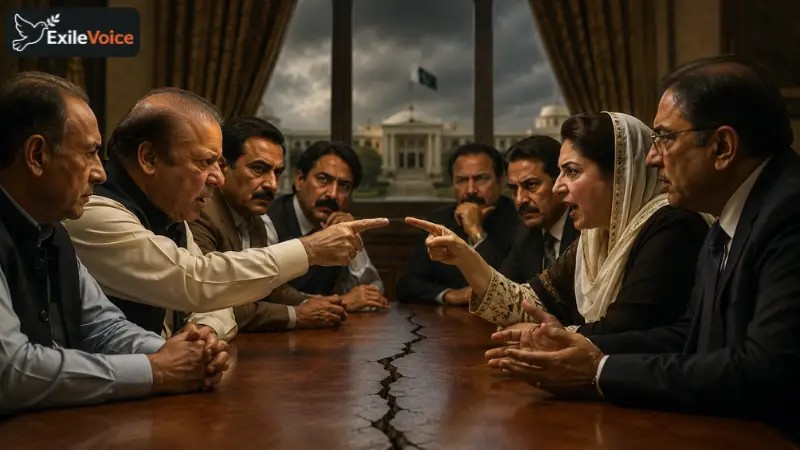
Internal Power Struggles and Political Friction Rock Ruling Coalition in Pakistan
AI Quick Read
- Analysts indicate that prior political compromises have created long-term vulnerabilities for all participating factions.
- Major coalition parties are engaged in internal maneuvering to expand their political and administrative influence.
- Public statements from senior political figures highlight underlying distrust and blame-shifting within the alliance.
- Competing ambitions for governance control have complicated policy implementation and public relief efforts.
- The sustainability of the ruling coalition remains questionable as internal friction intensifies.

