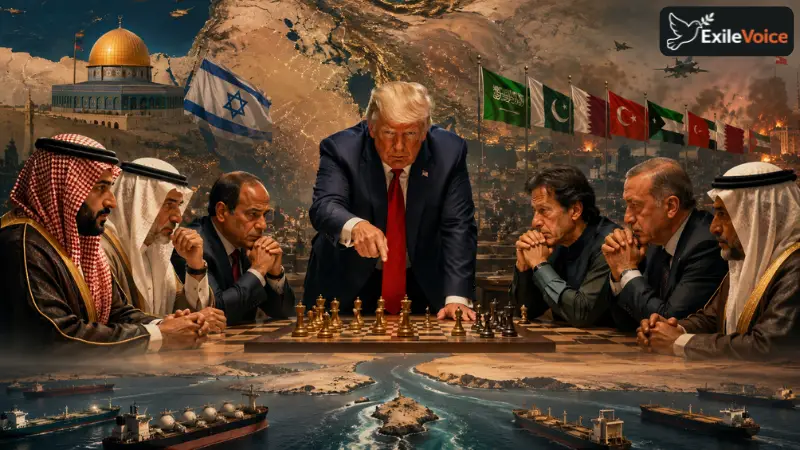
Donald Trump has delivered a significant ultimatum that reshapes the geopolitical dynamics of the Middle East and South Asia. Speaking via his platform, Truth Social, Trump declared that any forthcoming nuclear agreement with Iran must be contingent upon a monumental expansion of the Abraham Accords. Under this proposed mandate, every country participating in or facilitating the diplomatic negotiations with Iran must simultaneously sign the Accords, thereby formalizing complete diplomatic recognition of Israel based on current geopolitical realities.
This strategic move marks a stark expansion of Trump’s first-term foreign policy. While the initial iteration of the Abraham Accords successfully normalized relations between Israel and nations like the United Arab Emirates, Bahrain, and Morocco, this new directive explicitly targets a broader group of Muslim-majority nations. Trump named Saudi Arabia, Qatar, Pakistan, Turkey, Egypt, Jordan, and Bahrain as mandatory signatories to this expanded diplomatic framework. Trump’s ultimatum leaves little room for ambiguity: sign the Accords to secure regional agreements with Iran, or face the immediate collapse of diplomatic channels, a return to active conflict, and the resumption of military operations involving missiles, bombs, and cross-border engagement.
The demand places substantial geopolitical strain on Saudi Arabia and Qatar, dragging both nations directly into a complex diplomatic crossfire. Historically, Saudi Arabia has managed its foreign policy with a calculated, professional restraint, rarely making impulsive commitments. Despite historical announcements during Trump's previous presidency regarding over a trillion dollars in long-term investments in the United States, Saudi Arabia has consistently resisted normalizing ties with Israel without securing a long-term solution for Palestinian statehood. Following Trump's latest ultimatum, regional media outlets, including Al Arabiya, have reported that Saudi sources firmly reject external coercion on sovereign diplomatic choices. They reiterate that formal normalization remains tethered to the establishment of an independent Palestinian state.
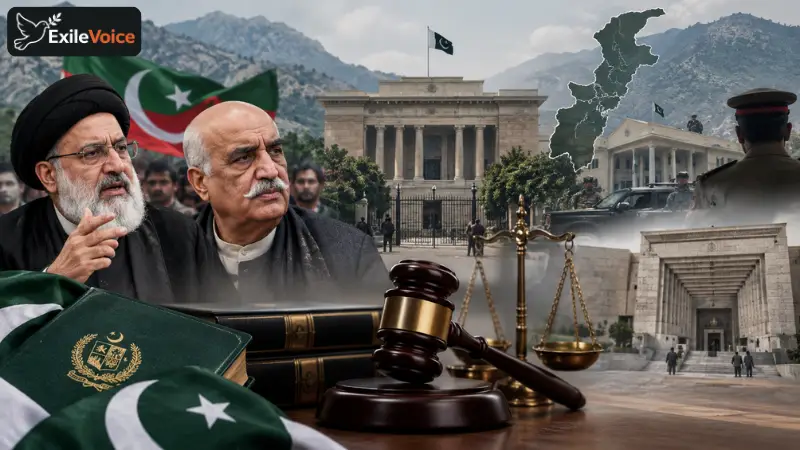
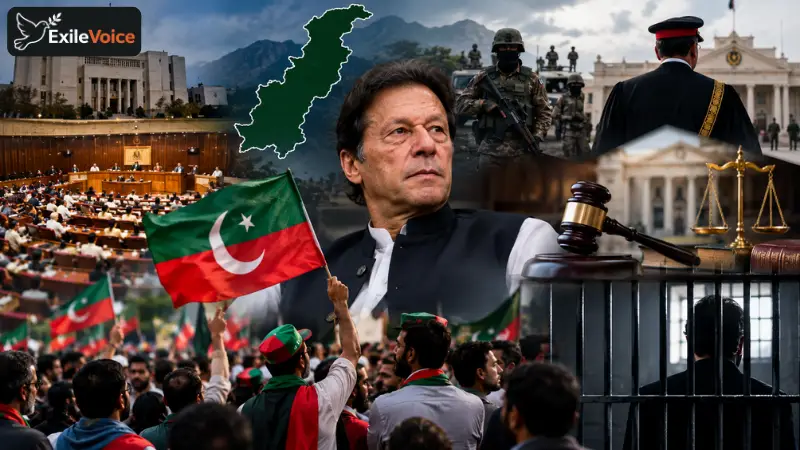
For Pakistan, the implications are equally profound but present a different set of challenges. Analysts suggest that the country's current political setup faces severe internal pressure and may lack the structural autonomy to resist sustained American diplomatic demands. While a segment of the political leadership might consider formalizing relations with Israel to gain international legitimacy and economic relief, such a move faces severe domestic hurdles. The deep-rooted public and religious consensus against recognizing Israel means any sudden shift would require massive internal engineering. Observers note that the state might look toward Saudi Arabia's stance as a shield; if Riyadh yields to the pressure, Islamabad could potentially leverage that decision to justify its own diplomatic shift to a highly skeptical domestic audience.
Compounding this regional friction is a secondary economic dispute over the Strait of Hormuz. Iran has proposed a structural shift in maritime traffic management, moving away from traditional transit tolls to implement a mandatory Environmental Protection Fee in conjunction with Oman. This mechanism targets international cargo vessels, particularly energy tankers originating from Iraq, Kuwait, the UAE, Saudi Arabia, and Qatar. By reframing a commercial shipping toll as an environmental safeguard, Iran aims to secure an independent revenue stream while asserting greater regulatory control over one of the world's most critical energy transit corridors, further complicating the Western-led push for regional stabilization.