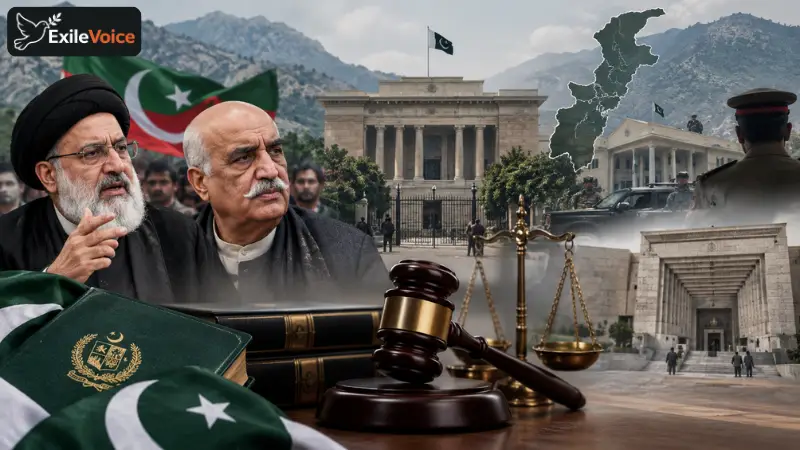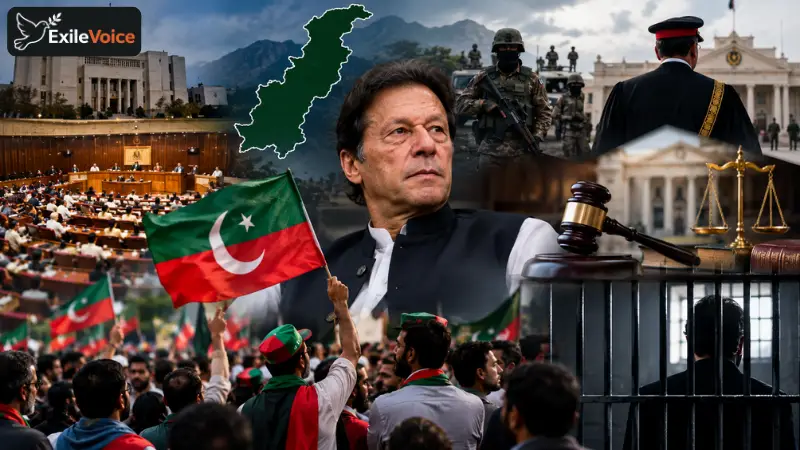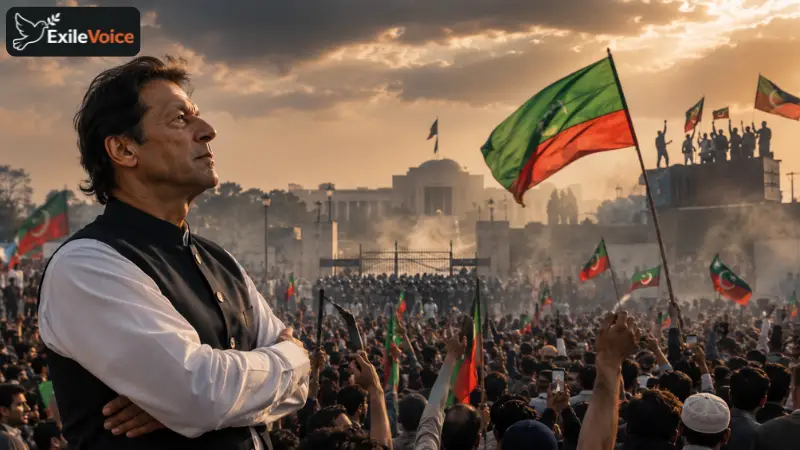
The political landscape of Pakistan continues to experience profound shifts centered around the enduring influence of former Prime Minister Imran Khan. Despite facing extended detention and persistent legal challenges, Khan’s political footprint remains a dominant force, resonating both domestically and internationally. Analysts and international media outlets frequently highlight his ongoing detention and the broader implications for democratic norms in the region, drawing attention from major global platforms such as CNN, Al Jazeera, and various international legal journals.
Domestically, the political dynamics reflect a deeply polarized environment characterized by widespread public mobilization and organized protests. Recent announcements regarding upcoming rallies and movements spearheaded by regional leaders point toward continued confrontation between political opposition groups and the establishment. Observers note that this sustained political friction has given rise to a unique form of political insurgency, where public sentiment and civic resistance challenge conventional governance models and administrative control.
Furthermore, discussions surrounding Khan's tenure in office often provoke intense debate among political commentators regarding economic indicators, governance reforms, and policy achievements during his administration. Proponents highlight accomplishments such as pandemic management, health card initiatives, and foreign remittance growth, while critics raise questions about administrative strategies and governance bottlenecks. Regardless of these divergent viewpoints, the consensus among political analysts is that the political awakening catalyzed by this movement has fundamentally altered how citizens engage with state institutions and political accountability.