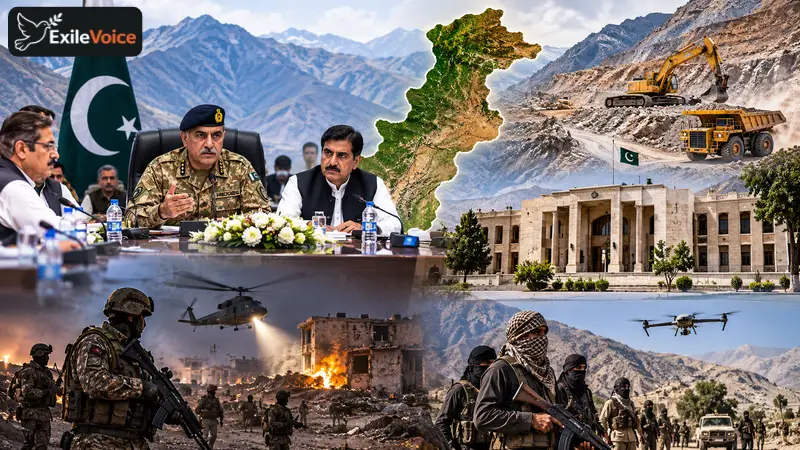

Administrative authority across twelve districts of Khyber Pakhtunkhwa, including merged former tribal areas, is shifting toward military-backed committees and executive powers granted to deputy commissioners. During a meeting of the area representative development council attended by Peshawar Corps Commander Lieutenant General Naeem Akhtar, Council Chairman Engineer Shaukatullah, and Vice Chairman Khan Marjan, officials outlined plans for Rs 90 billion in development initiatives alongside Rs 40 billion allocated for police and counter-terrorism departments. Granting magistrate powers to deputy commissioners and placing thirty-two government departments under their oversight ties local administration directly into a chain of command overseen by senior officers.
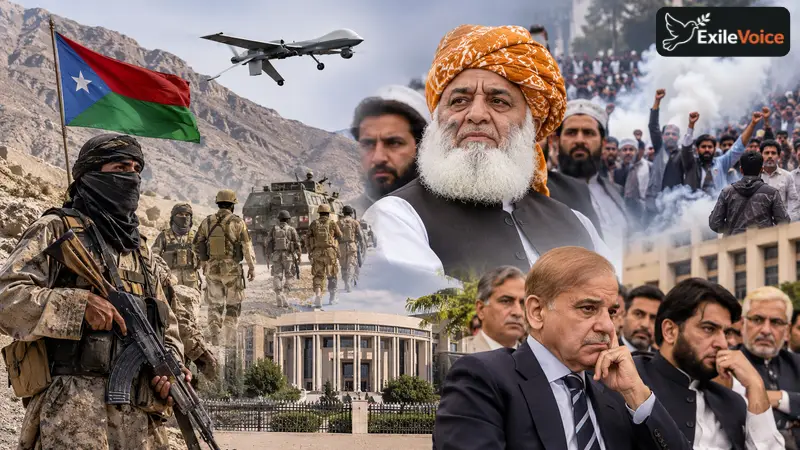
This administrative restructuring comes alongside sharp questions over resource governance and mineral wealth in districts described as emergency zones. Critics and political observers point out that previous statements pledged non-interference in politics and denied any commercial interest in mining, yet recent meetings focus on development budgets, administrative committees, and district oversight where mineral extraction is a major economic factor. Concerns over uncollected taxes, off-book mineral sales, and lack of transparency in public procurement heighten skepticism among residents and opposition figures who argue that elected provincial representatives should lead local decision-making rather than appointed or military-linked bodies.
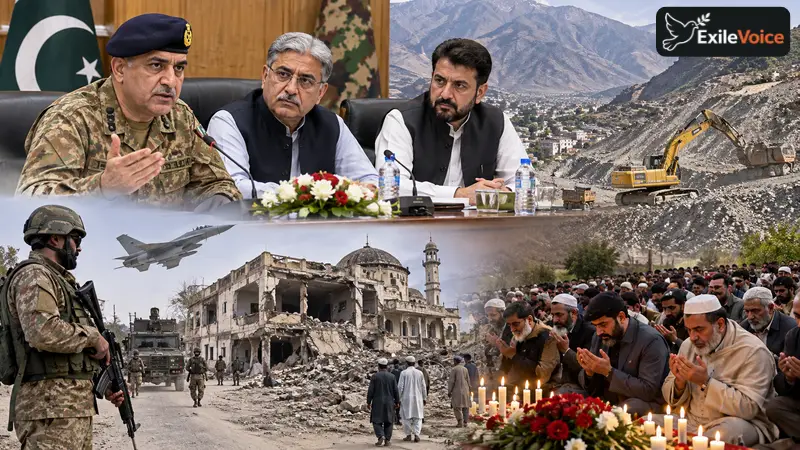
Security conditions on the ground remain volatile even as heavy funding is announced for law enforcement. Reports from Bakka Khel in Bannu district describe an airstrike hitting a seminary, causing structural destruction and casualties in a settled area. Using fighter jets inside domestic territory raises serious questions about civilian protection, proportionality, and long-term counter-insurgency effectiveness when militants continue to operate across volatile borders and districts.
At the same time, commemorations marking the events of November 26 brought families and local communities together to hold Quran recitations and prayers for those who lost their lives. The contrast between solemn community mourning on one side and sweeping administrative and security announcements on the other underscores deep political tension in Khyber Pakhtunkhwa. Moving forward, sustainable stability in the province depends on transparent public finances, accountable civilian institutions, and security strategies that protect local populations without deepening alienation.