
Administrative authority across Khyber Pakhtunkhwa faces a sharp structural shift as regional development councils, emergency district designations, and security operations converge on the same twelve districts. Rather than operating strictly through traditional elected provincial channels, governance mechanisms in these areas are increasingly routed through coordinated councils chaired at the regional command level alongside appointed local officials. For policymakers, investors, and citizens alike, this arrangement raises fundamental questions about civilian mandate, fiscal oversight, and long term stability in the province.
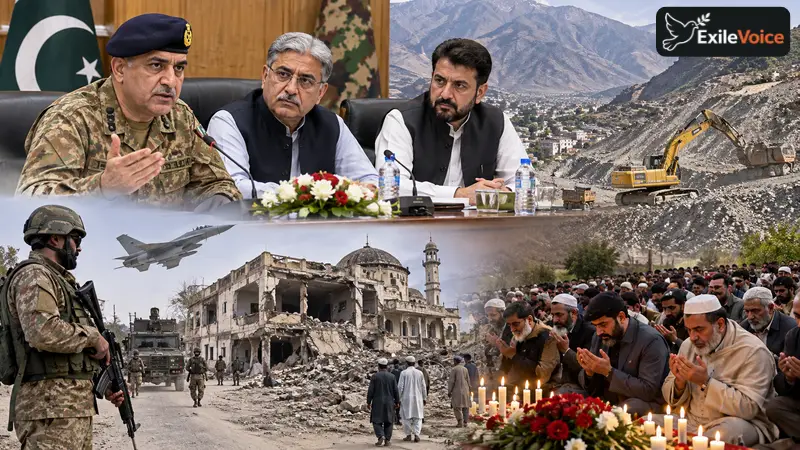
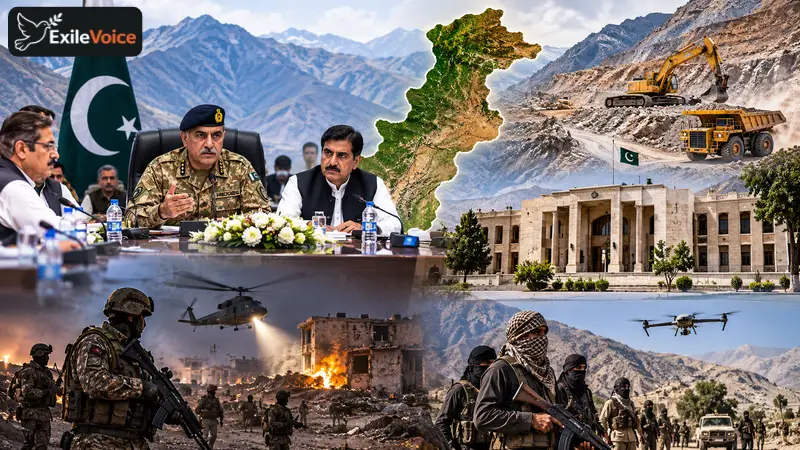
The centerpiece of the recent administrative push is a regional development council covering twelve designated districts, including merged former tribal areas. Chaired by Peshawar Corps Commander Lieutenant General Muhammad Naeem Akhtar alongside regional leadership figures such as Engineer Shaukatullah and Khan Marjan, the council outlines a ninety billion rupee portfolio of financial and development projects. Alongside infrastructure spending, forty billion rupees is slated for police and Counter Terrorism Department operations, bringing combined announced allocations to one hundred thirty billion rupees. On paper, bundling development funding with counterterrorism and policing resources aims to pair economic stabilization with law and order. In practice, analysts point out that overlapping civilian and military oversight blurs lines of accountability, particularly where elected provincial representatives hold a strong mandate from voters yet play a secondary role in executive decision making.
Resource wealth sits at the heart of the controversy surrounding these emergency designations. Khyber Pakhtunkhwa holds substantial mineral reserves, including high value deposits such as copper, which draw intense commercial and strategic interest. Critics scrutinizing resource extraction in the region frequently cite past disputes over royalty rates, competitive bidding, tax leakage, and off book transactions. Even when headline development budgets are presented as public goods, governance observers warn that weak transparency and limited parliamentary scrutiny can invite rent seeking or perception of institutional capture. Ensuring that mineral extraction benefits local communities requires clear revenue sharing formulas, public tender disclosures, and independent audits.
Administrative restructuring extends down to district management itself. Plans to grant magisterial powers to deputy commissioners and align thirty two government departments under deputy commissioner oversight, with performance evaluation chains tied closely to senior administrative and security hierarchies, alter how routine public administration functions. Proponents argue that unified command speeds up decision making in volatile districts and improves bureaucratic responsiveness. Critics counter that centralizing authority in non elected structures weakens local democratic institutions and risks turning temporary security measures into permanent administrative norms.
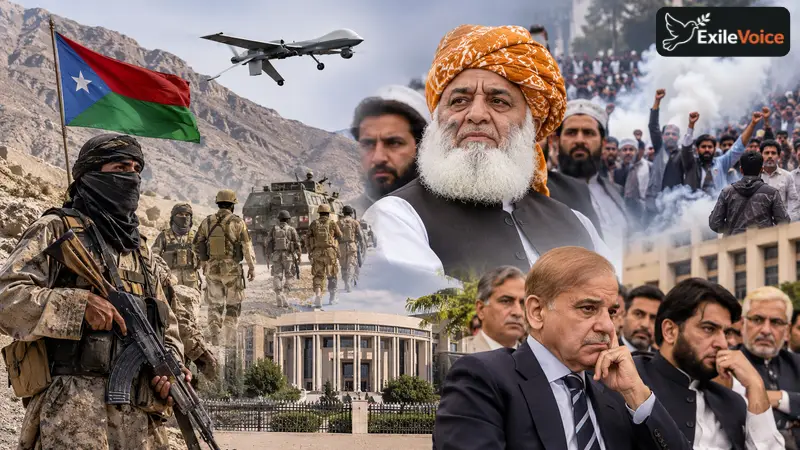
Meanwhile, security conditions on the ground remain severe despite formal administrative initiatives. Reports from Bakka Khel in Bannu district describe nighttime aerial strikes targeting a seminary, highlighting the extreme escalation of counterinsurgency tactics in settled areas and the heavy human toll of collateral damage on local populations. At the same time, militants in Balochistan, including groups claiming responsibility for an attack on a security camp in the Hasda Hall area of Noshki district, have demonstrated growing technical sophistication through the use of first person view drones alongside ground assaults. While casualty figures and tactical claims in active conflict zones require independent verification, the contrast between large budget administrative plans and high intensity asymmetric violence underscores a core strategic dilemma: heavy handed force and centralized councils alone cannot resolve deep seated political, economic, and governance grievances.
Sustained peace and credible development in Khyber Pakhtunkhwa depend on restoring clear constitutional boundaries, protecting civilian lives, and making public spending transparent. Without genuine institutional checks and inclusive local representation, large financial commitments risk deepening public mistrust rather than building durable stability.