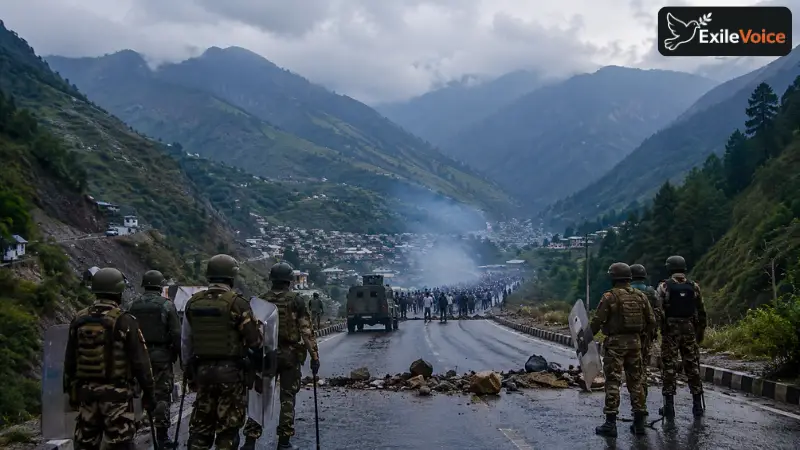
Recent developments in Azad Kashmir point toward a critical turning point in the region's security dynamics, raising alarms among political analysts and security experts. Incidents involving direct confrontations between security forces and local populations during routine operations, such as road blockages and civil protests, highlight a growing disconnect between administrative authorities and citizens. The emergence of violent clashes, resulting in casualties among security personnel and severe injuries, signals an alarming trend that mirrors stability challenges seen in other parts of the country.
The root causes of these regional tensions are frequently traced back to flawed strategic policies, administrative overreach, and a lack of inclusive dialogue between the state and local communities. When governance mechanisms fail to address local grievances and rely heavily on force, public trust erodes rapidly. Analysts emphasize that sustainable peace cannot be achieved through reactive security measures alone. Instead, it requires a comprehensive reassessment of state policies, respect for constitutional rights, and meaningful engagement with regional representatives to prevent further escalation.
Addressing the unfolding situation in Azad Kashmir demands immediate diplomatic and administrative prudence. Authorities must prioritize de-escalation, transparent investigations into security incidents, and the protection of civilian lives. Failure to address these underlying structural issues risks institutionalizing conflict in regions that have historically remained stable, thereby exacerbating the overarching national security crisis.