Recent developments in Middle Eastern geopolitics highlight a complex web of strategic pressures, diplomatic maneuvers, and maritime security operations involving the United States and Iran. Media analyses from the region indicate that Tehran faces mounting economic and diplomatic challenges as international sanctions continue to restrict its energy exports and market access. Despite reliance on major buyers to absorb a significant share of its oil output, the imposition of rigorous market limitations has placed the Iranian economy under considerable strain.
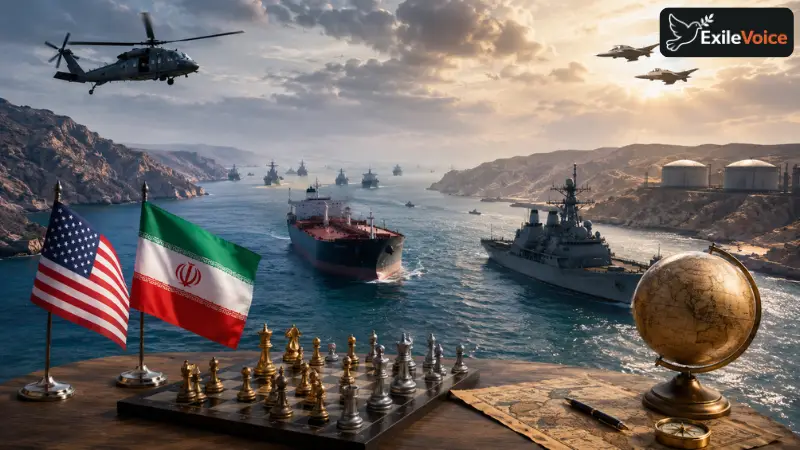
Diplomatic channels remain active, marked by high-level visits and mediation efforts involving regional intermediaries such as Oman and Qatar. These diplomatic engagements aim to establish operational mechanisms to address critical maritime choke points, including the Strait of Hormuz, where commercial navigation and security remain paramount. Statements from regional officials suggest that negotiations could lead to defined terms regarding maritime access and the relaxation of specific regional blockades, contingent upon broader diplomatic understandings.
Concurrently, military and security updates from regional commands indicate significant operational activities aimed at ensuring maritime safety and clearing navigational hazards. International experts continue to evaluate the long-term efficacy of economic sanctions and diplomatic engagements, noting that while secondary markets provide temporary relief, broader strategic adjustments will be required to achieve lasting stability in the region.