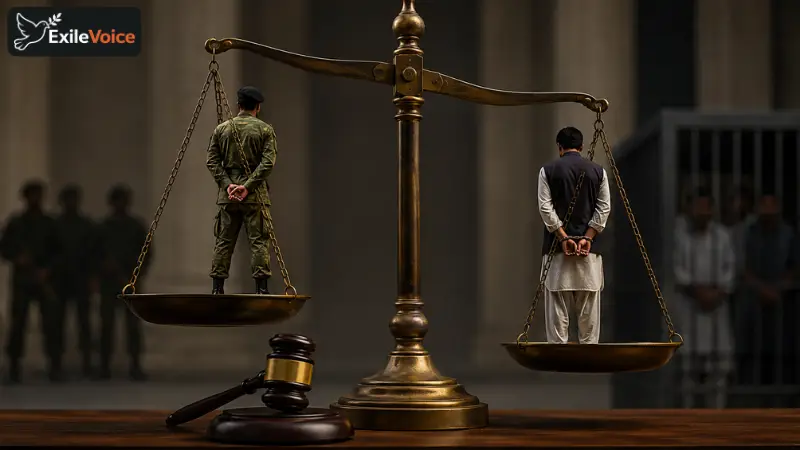
Discussions surrounding institutional accountability and the rule of law in Pakistan have long highlighted deep systemic disparities. Observers frequently point to the stark contrast in legal outcomes for high-ranking military personnel compared to civilian leaders and popular political figures.
Legal analysts have highlighted past high-profile court cases involving senior military officers accused of severe breaches, noting that their legal proceedings and subsequent sentences often contrast sharply with the stringent treatment meted out to civilian icons. Critics argue that a transparent and equitable justice system is foundational for national stability, and selective application of the law erodes public trust in state institutions.
As domestic and international stakeholders continue to monitor judicial independence in Pakistan, the demand for uniform legal standards grows louder. Ensuring that due process applies equally across all tiers of society remains a critical challenge for the nation's governance and long-term democratic health.