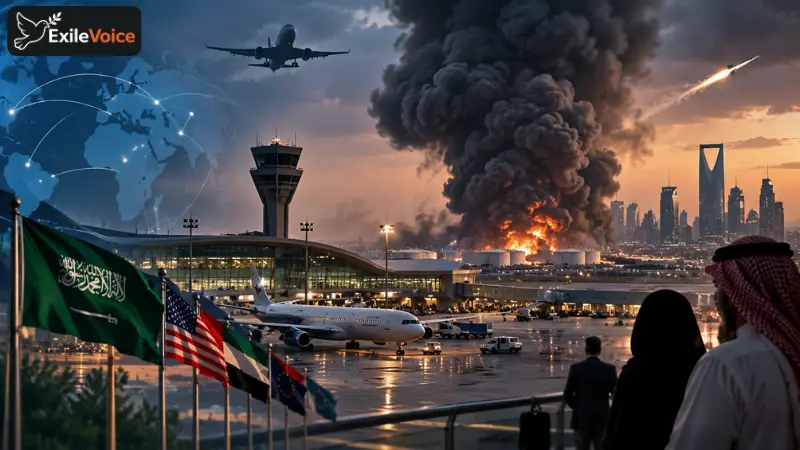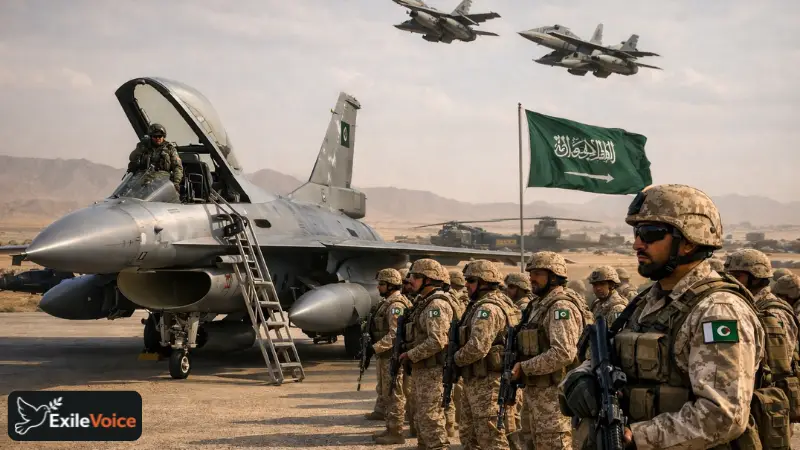
In a significant and largely unannounced move, Pakistan has officially deployed elements of its Air Force and Army to the Kingdom of Saudi Arabia. This development, confirmed by official Saudi government statements and corroborated by international news agencies like Reuters, marks a critical juncture in the long-standing defense relationship between the two nations. The deployment includes fighter jets and ground troops, signaling a robust commitment to the security of the Kingdom at a time when the Middle East is navigating a highly volatile geopolitical climate.
The timing of this deployment is particularly noteworthy. It coincided with the presence of the Saudi Finance Minister in Islamabad, where high-level discussions were held with Pakistan’s civilian and military leadership. While the public narrative surrounding these meetings focused on economic cooperation and the rollover of existing debts, the military dimension was conspicuously absent from official domestic briefings. This lack of transparency has sparked a debate within Pakistan regarding the procedural norms of such a major foreign policy commitment. Traditionally, deployments of this scale would require cabinet approval or at least a formal announcement to the parliament. Instead, the decision appears to have been finalized behind closed doors, raising questions about the balance of power and the role of individual leadership in defining national interest.
From a strategic perspective, the deployment serves multiple purposes. For Saudi Arabia, the presence of Pakistani fighter jets and experienced military personnel provides a deterrent against regional threats, particularly in the context of the ongoing tensions involving Iran and the United States. For Pakistan, the move is deeply intertwined with its economic survival. Reports suggest that Saudi Arabia has pledged approximately $5 billion in financial support to help Pakistan manage its looming debt obligations. This "security-for-solvency" arrangement highlights the transactional nature of the bilateral relationship, where military assets are leveraged to secure essential financial lifelines.
However, the regional implications are complex. Pakistan finds itself in a delicate balancing act. As it deploys forces to Saudi Arabia, it is simultaneously hosting sensitive negotiations between Iranian and American delegations in Islamabad. The optics of strengthening military ties with a regional rival of Iran while acting as a mediator for peace are fraught with risk. If the conflict between the U.S. and Iran escalates further, Pakistan’s presence in Saudi Arabia could potentially draw the country into a regional conflagration it has historically sought to avoid.
The absence of a formal debate in the National Assembly or a briefing from the Inter-Services Public Relations (ISPR) has led to criticism from various quarters. Critics argue that committing the nation’s youth and military resources to a foreign conflict zone without a public mandate undermines democratic accountability. Furthermore, the perceived "monetization" of the military, where troops are deployed in exchange for financial deposits, poses a challenge to the sovereign dignity of the state. As the situation evolves, the success of this strategic shift will depend on whether Pakistan can maintain its neutral mediating role while fulfilling its defense obligations to its closest Gulf ally.