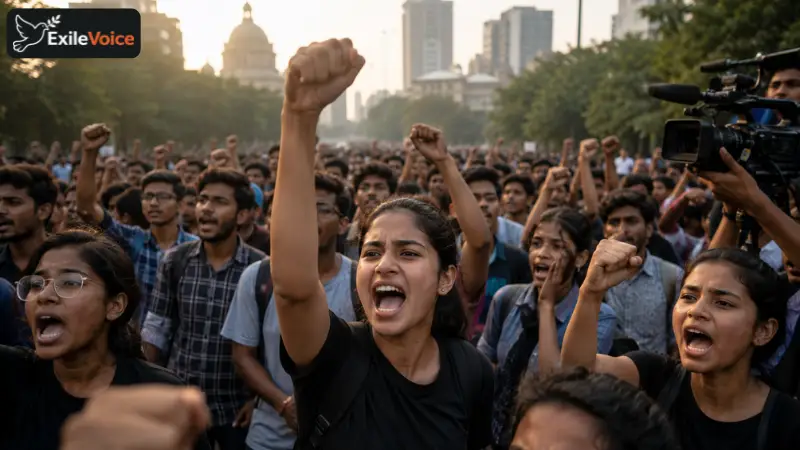
Recent civic movements across major urban centers in India have highlighted the growing influence of youth participation in public accountability. Students and young professionals have taken to the streets to voice concerns over educational policies, examination transparency, and governance standards. These demonstrations reflect a broader trend of civic engagement where younger demographics demand greater responsiveness and ethical conduct from public institutions and elected officials alike.
A notable aspect of these ongoing demonstrations is the intense scrutiny directed toward mainstream news organizations. Critics and participants have frequently expressed dissatisfaction with traditional broadcast media coverage, accusing certain outlets of misrepresenting public sentiments or failing to report objectively. This widespread public pushback underscores a widening trust gap between traditional media institutions and the citizenry, paving the way for alternative communication channels and heightened demands for journalistic integrity.
As administrative authorities and political leadership respond to these sustained demonstrations through policy reviews and dialogue, the broader socio-political landscape continues to transform. Observers note that grassroots mobilization combined with digital connectivity possesses the capacity to redefine political accountability and civic discourse. The unfolding events serve as a significant case study in the power of organized public dissent and the evolving relationship between citizens, media entities, and governing bodies.