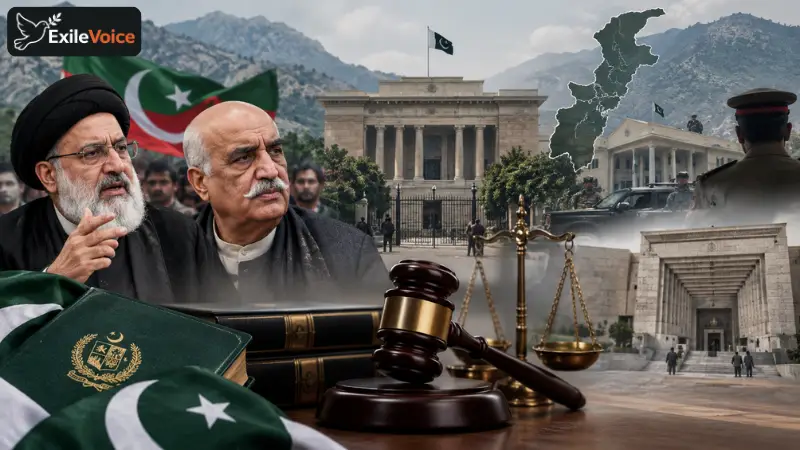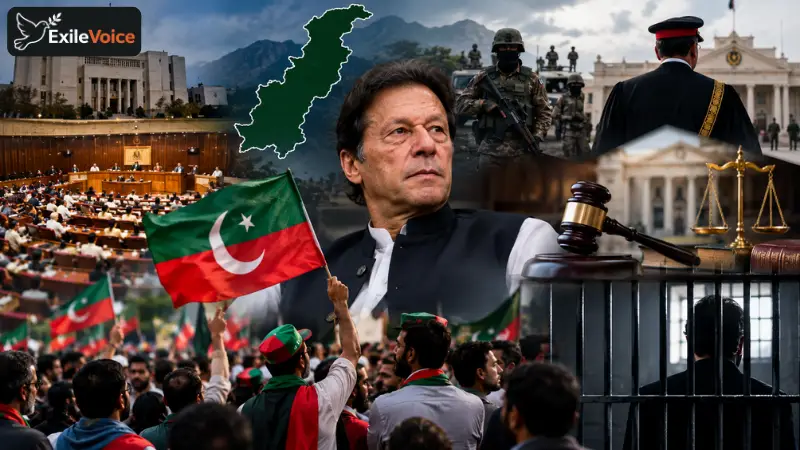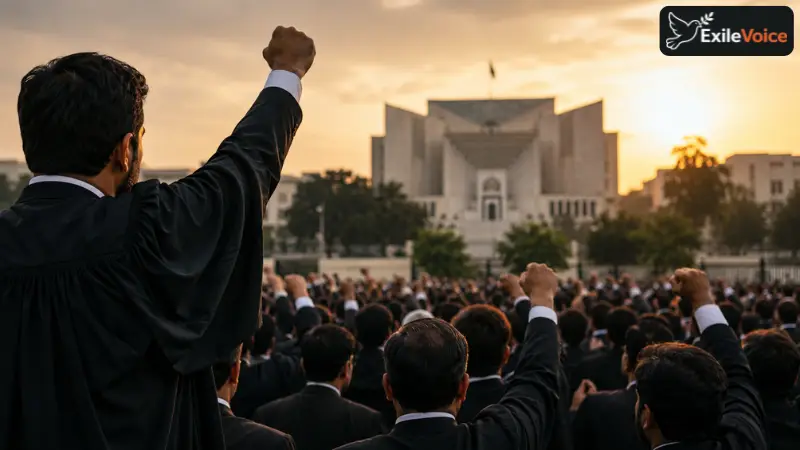
The potential emergence of a new lawyers' movement in Pakistan has become a focal point of intense political analysis, drawing parallels to historical precedents that significantly altered the country's power structure. Observers and political analysts are keenly monitoring the situation, noting that the frustration within the legal fraternity mirrors broader public discontent with current governance and the perceived overreach of the establishment.
The discourse surrounding this movement is complex. While some political figures advocate for a new agitation to challenge the status quo, others warn against the potential for repeating the chaotic outcomes of previous movements. There is a palpable tension between the desire for judicial and democratic reform and the fear that such movements are often hijacked or manipulated by entrenched political interests. The support for Imran Khan, often framed as a central figure in this resistance, remains a significant element, with advocates praising his resilience against immense political pressure.
However, the effectiveness of such movements is continuously challenged by the state's tactical control of narratives and personnel. For instance, the discussion around political deal-making, specifically whether certain leaders are actively seeking engagement with the military establishment or are being kept at bay, is prevalent. Analysts emphasize that the political landscape is currently characterized by a lack of transparency, where genuine political goals are often obscured by rumors of "deals" and systemic maneuvering.
The plight of the average citizen, meanwhile, is starkly contrasted against these high-level political deliberations. Instances of extreme poverty, such as families driven to despair, underline the disconnect between the ruling elite and the realities faced by the population. The critique leveled against the current administration, regarding their focus on power retention, lack of transparency in CPEC projects, and foreign loan management, suggests that the upcoming political challenges are not merely ideological but rooted in fundamental economic and administrative failures. As the legal community contemplates its next steps, the movement represents a critical juncture for Pakistan's democratic future.