

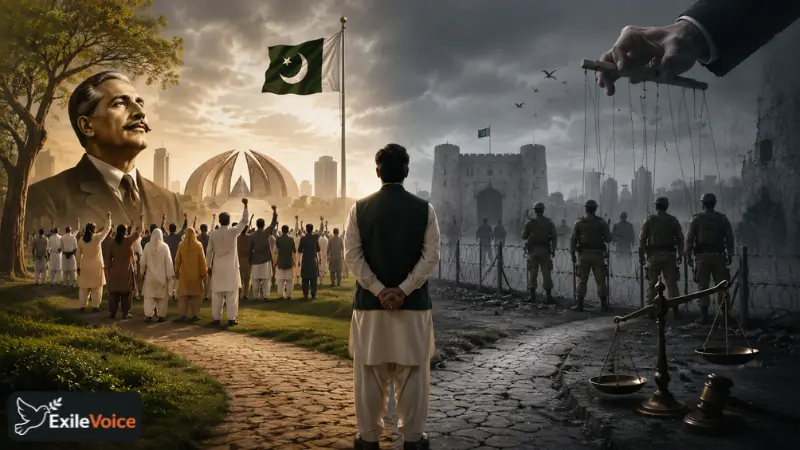
Pakistan’s Independence Day, observed on August 14th, serves as an annual focal point for national introspection. The timing of this celebration, juxtaposed against India's independence on August 15th, invites perpetual historical debate regarding the circumstances surrounding the partition of the subcontinent from the British Empire. While some historians argue that the proximity of these dates suggests a synchronized event, others point to political maneuverings that defined the divergent narratives we witness today.
Beyond the date discrepancy, the core challenge lies in evaluating the vision of the founding fathers, most notably Allama Muhammad Iqbal, against the current socio-political reality. The original dream was one of sovereignty and relief from colonial influence, yet the historical trajectory of Pakistan has been marked by a revolving door of military intervention, political instability, and the erosion of democratic institutions. Critics argue that while the formal colonial administration ended in 1947, the foundational structures, often referred to as an "East India Company" style of governance, persist, manifesting in heavy-handed control over civil liberties.
A professional analysis of this period highlights the systemic imposition of colonial-era laws, such as Sections 124A (sedition) and 506 of the penal code, which continue to be utilized in contemporary political discourse to suppress dissent. The contrast between the foundational hope for a progressive, independent nation and the current reliance on authoritarian measures illustrates a persistent gap between governance aspirations and reality. The debate is no longer just about the history of independence but about the functional definition of freedom in a modern state where accountability and the rule of law are frequently challenged by centralized power structures.

