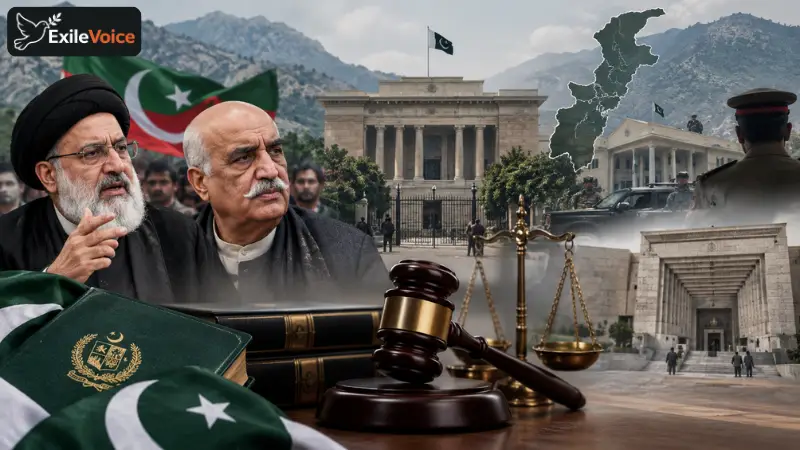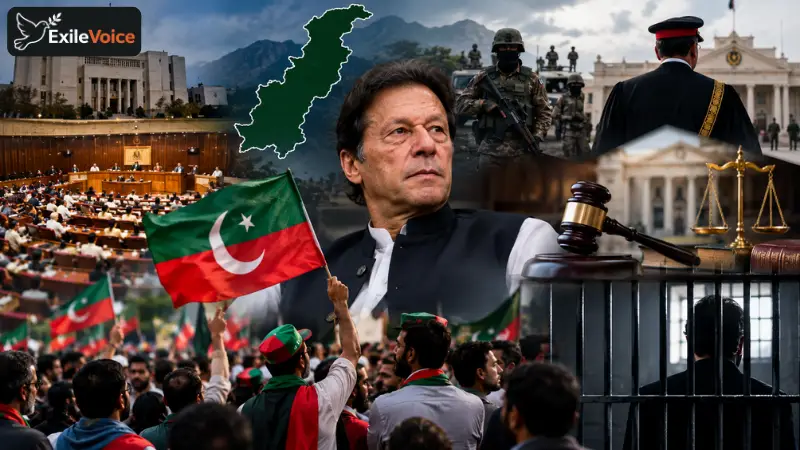
The recent circulation of an interview clip featuring Noureen Niazi has ignited a fierce debate regarding political narratives and the concept of "red lines" in Pakistani politics. The clip, which was allegedly recorded months ago and remained unaired, was suddenly pushed across social media and mainstream television platforms, accompanied by a narrative that Niazi had "crossed a red line" by questioning the strategic nature of past Pakistan-India border skirmishes.
In the clip, Niazi suggests that the reported border incidents appeared to be pre-determined settlements rather than spontaneous conflicts. She argues that these events served larger strategic purposes, specifically aligning with international pressure to adjust positions on Kashmir and fostering potential diplomatic normalization with Israel. Her comments have sparked intense scrutiny, not just for the content itself, but for the manner in which the state apparatus utilized the clip to label her a rebel or a threat to national stability.
This incident has prompted critics to question the legitimacy of the "red lines" enforced by the military and political establishment. Critics argue that these boundaries are fluid and selectively applied to discredit political opponents, citing historical precedents where similar labels were used against figures like Fatima Jinnah or to frame narratives surrounding the 1971 war. The strategic use of this media campaign raises concerns about how political discourse is manipulated to divert public attention from pressing national issues, such as the ongoing water dispute with India, which remains unresolved despite official rhetoric about taking a firm stance.
The controversy highlights a deeper systemic issue: the lack of transparency in defining national interest versus political survival. By turning a previously private interview into a flashpoint for accusations, the establishment effectively controls the narrative, forcing political actors to either align with the sanctioned stance or face public vilification. As the debate continues, the focus remains on whether these tactical diversions provide any long-term benefit to the nation or if they merely perpetuate the cycle of political instability.