The political landscape of the United States is currently experiencing a seismic shift as Donald Trump prepares a significant "move" that mimics the gravity of historical presidential addresses. On April 1st, a day usually reserved for levity, the atmosphere was instead thick with anticipation for a late-night address to the nation.
Historically, such timed broadcasts, 9:00 PM EST, are reserved for monumental events like the announcement of a nationwide lockdown during the pandemic, the mission against Osama bin Laden, or the initiation of major military conflicts.
This setting underscores the weight of the current political moment and the "Big Picture" that Trump and his team are attempting to paint for the American electorate.
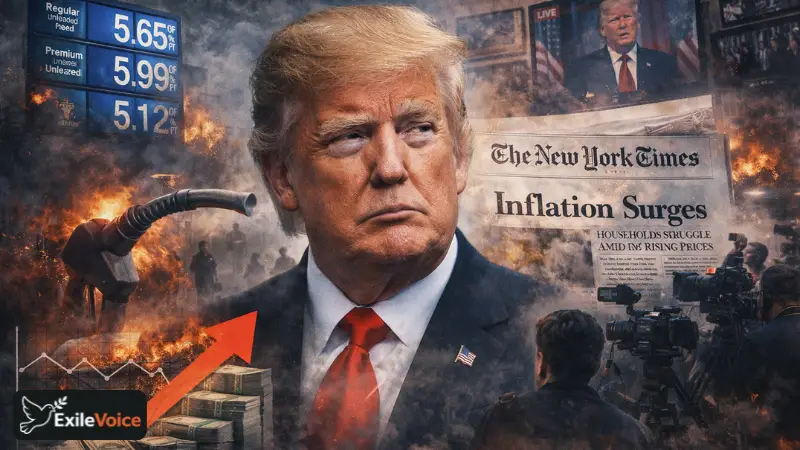
At the heart of this narrative is a stark economic reality: the rising cost of living in the very regions that form the bedrock of the "Make America Great Again" (MAGA) movement. While political rhetoric dominates the airwaves, the front pages of major publications like the New York Times highlight a more pressing concern for the average citizen: the soaring price of fuel .
This economic friction creates a challenging environment for Trump. While he remains a central figure of defiance, his critics point to a series of unfulfilled promises from his previous tenure, questioning the effectiveness of his "five key promises" and whether his return to power would offer genuine relief to the working class or simply a continuation of political theater.
The geopolitical stakes are equally high. The video notes that while domestic issues like inflation and oil prices are the primary drivers for voters, the international community is watching Trump’s moves with a mixture of trepidation and curiosity. The comparison to past presidential addresses by Obama or Bush serves as a reminder that the office of the presidency, regardless of the incumbent, wields power that can shift global markets and alliances instantly .
Furthermore, the discourse highlights a growing divide in media consumption. Traditional outlets continue to scrutinize Trump’s track record, focusing on the gap between his populist messaging and the tangible economic outcomes for his supporters. Simultaneously, independent and alternative media platforms are carving out a space for "real-time" analysis that bypasses traditional gatekeeping . This democratization of information allows for a more raw, albeit polarized, interpretation of political events.
As the nation waits for the specific details of Trump's claims, the broader story is one of a country at a crossroads. Can a political figure who thrives on disruption successfully navigate a landscape defined by high inflation and a skeptical media? The "Big Move" discussed is not just about a single speech or a policy announcement; it is about the ongoing struggle to define the future of American leadership in an era of deep economic and social division. The resilience of Trump’s base suggests that for many, the "theatre" of his leadership is a secondary concern to the perceived lack of alternatives in the current political establishment.