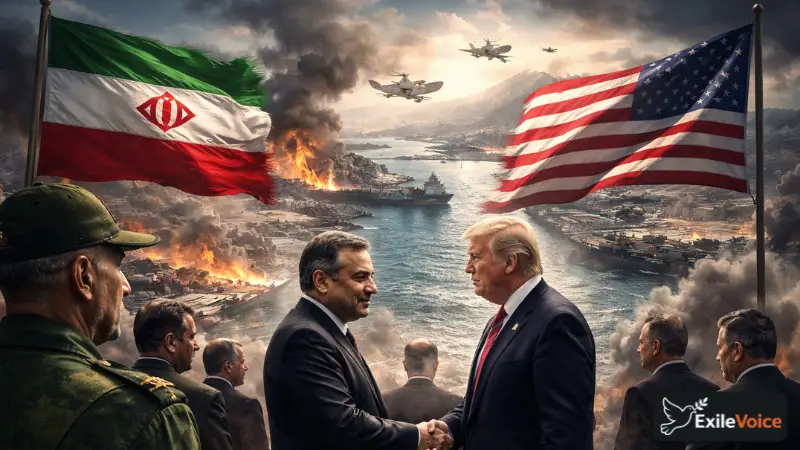
The recent de-escalation between the United States and Iran, marked by a 15-day ceasefire, represents more than just a pause in hostilities; it signals a profound shift in Middle Eastern geopolitics. While the United States remains the world's preeminent military power, the resolution of this 40-day crisis suggests a strategic victory for Tehran. Despite sustained bombardment and the loss of key military and political leadership, including IRGC commanders and intelligence chiefs, Iran’s "asymmetric resistance" has forced the Trump administration to the negotiating table on terms that were previously deemed unacceptable.
The turning point occurred when President Donald Trump announced his acceptance of a "10-point proposal" from Iran as a basis for negotiations. This is a significant departure from the earlier Geneva talks where the U.S. rejected more favorable terms. Analysts, including Professor Robert Pape of the University of Chicago, argue that this outcome represents a "huge strategic defeat" for the United States, potentially its most significant loss since the Vietnam War. The conflict has inadvertently solidified Iran's position as an emerging fourth center of world power.
Domestically, the Trump administration faced immense pressure. Prominent media figures like Tucker Carlson criticized the President’s rhetoric and military strategy, particularly the targeting of civilian infrastructure during significant religious holidays. Simultaneously, Democratic leaders and legal advisors within the U.S. military expressed concerns regarding the legality and mental state of the presidency, creating a "perfect storm" of internal dissent that necessitated a rapid exit strategy.
Iran’s success lies in its steadfast refusal to surrender despite heavy losses. Foreign Minister Abbas Araghchi demonstrated a "calmness of mind and dignity" throughout the crisis, maintaining a consistent diplomatic narrative even as his colleagues were targeted . By leveraging the closure of the Strait of Hormuz, a move that threatened global energy security, Iran demonstrated the limitations of American conventional power. As the two-week ceasefire begins, the world watches to see if this "strategic retreat" by Washington will lead to a permanent regional realignment or merely a temporary cooling-off period.