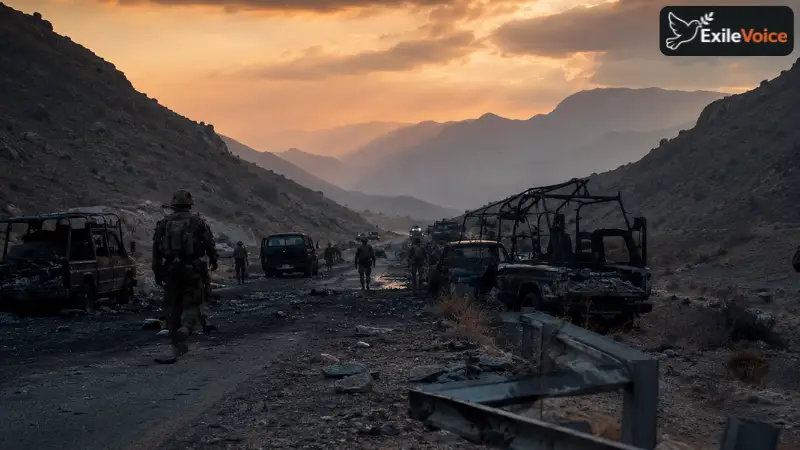
A serious narrative has emerged concerning security operations in Balochistan, specifically regarding an alleged incident on July 8, 2026. According to reports analyzed, a convoy of approximately 250 security personnel traveling from Balochistan was subjected to a significant attack. The details provided suggest a devastating toll, with 106 personnel reportedly martyred on the spot and 14 others succumbing to injuries later at hospitals.
The core of the concern raised revolves around the transparency of this information. The analyst argues that this incident was intentionally kept from public view and not reported by mainstream or international media outlets. This lack of transparency has sparked questions regarding the duty of state institutions to communicate accurately with the public, particularly concerning the sacrifices made by security forces.
Furthermore, the discussion highlights the broader implications of security challenges in the region, noting that frequent attacks on convoys, buses, and security personnel have become a persistent issue. The critical analysis points to a discrepancy between the narrative of honoring martyrs and the alleged operational failures to acknowledge the scale of losses. The situation is characterized as reflective of deteriorating security conditions in Balochistan, with accusations that authorities are not adequately addressing the root causes of these ongoing threats.
The report also touches upon historical context, referencing past conflicts and the manner in which the state has handled casualties. By comparing contemporary events with historical episodes, the analysis seeks to underscore a recurring pattern of information management. The overarching theme is a call for greater accountability and transparency in how state institutions handle sensitive information regarding the safety and loss of personnel.