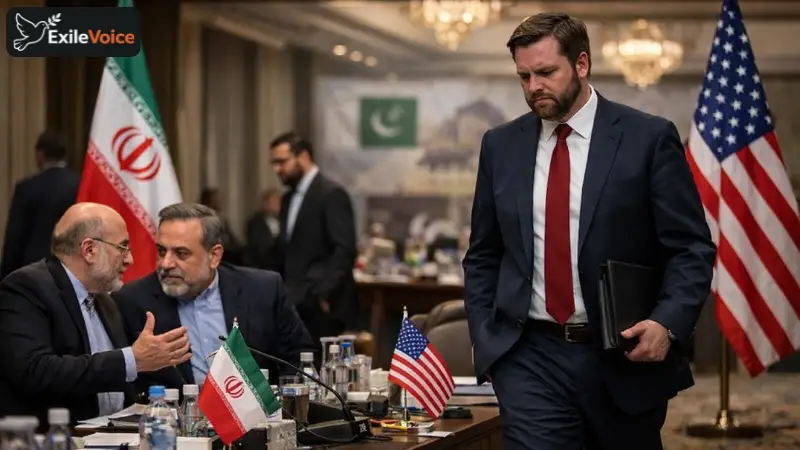
The highly anticipated 15-hour diplomatic marathon in Islamabad between high-level U.S. and Iranian delegations has concluded without a breakthrough, leaving the international community on edge. U.S. Vice President J.D. Vance delivered a brief, four-minute address following 21 hours of intense activity in Pakistan, confirming that while engagement occurred, the two nations were unable to reach an agreement. This impasse is not merely a diplomatic setback but a reflection of the deep-seated strategic and ideological chasm that defines the current U.S.-Iran relationship.
At the heart of the disagreement is a fundamental difference in priorities and "minimum requirements." For the Trump administration, the primary objective is the immediate and unconditional reopening of the Strait of Hormuz. President Trump’s political victory and economic agenda are heavily tied to global energy stability, and the continued closure or disruption of this vital maritime artery represents a significant blow to his administration's credibility. Conversely, the Iranian delegation, led by experienced diplomats like Mohammad Baqir Qalibaf and Abbas Araghchi, is seeking a "permanent peace" that transcends maritime access. Iran’s infrastructure and economy have been severely damaged by decades of conflict and sanctions; consequently, their demands center on the total lifting of primary and secondary sanctions, the unfreezing of approximately $27 billion in overseas funds, and a return to a "normal" economic standing within the global community.
A critical point of contention revealed during the talks was the U.S. demand for an "affirmative commitment" from Iran to never pursue nuclear weapons. J.D. Vance emphasized that this commitment must extend not just to the weapons themselves, but to the "tools" of achievement, implying a total cessation of uranium enrichment. This "JCPOA Plus" stance is a strategic necessity for Trump to satisfy his domestic political base and Zionist allies, who viewed the 2015 nuclear deal as insufficient. Iran, however, views its nuclear program as its primary leverage for securing economic relief. Without a clear path toward the unfreezing of assets currently held in Iraq, South Korea, and various European banks, Tehran remains unwilling to surrender its only significant bargaining chip.
The failure of the Islamabad summit raises urgent questions about the next steps. While Iranian officials have described the talks as a "positive first step" toward bridging the gulf of mistrust, the U.S. rhetoric remains confrontational. As both delegations return to their respective capitals, the focus shifts to internal assessments. The Trump administration must now decide if it can achieve its goals through surgical military strikes or if it must prepare for a more prolonged and costly engagement. The international community, meanwhile, remains wary of a potential return to open conflict, which would further destabilize global energy markets and exacerbate regional volatility.