As the conflict between Iran and Israel enters its second month, the global community is witnessing what military analysts call a "set trap" or a stalemate of high-intensity attrition. Officially marking four weeks since the current wave of hostilities began, the situation on the ground suggests that despite massive international intervention, the momentum of war remains unchecked.
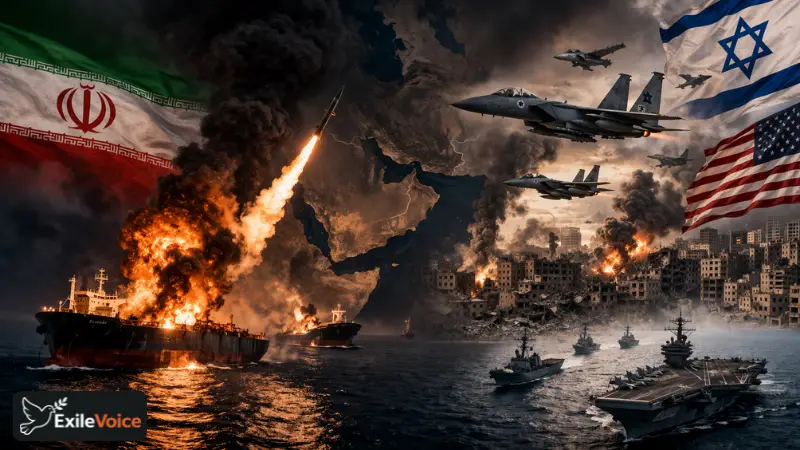
The Iranian leadership has maintained a defiant posture, even as its defensive capabilities have faced significant pressure. Reports indicate that while the intensity of missile strikes from within Iranian territory has decreased by nearly 90%, the "trolling game", a mix of asymmetric warfare and psychological operations, remains in full swing. A primary example of this persistent capability is the continued targeting of maritime assets; recently, another oil tanker was attacked and destroyed, proving that Iran still possesses the reach to disrupt global energy corridors despite the presence of formidable naval task forces.
The scale of the military response has been unprecedented. Over the last 28 days, Israeli and American air forces have reportedly engaged over 10,000 targets. However, the human cost of these operations has sparked intense international debate. The strategy of targeting infrastructure and the resulting civilian casualties, specifically affecting women and children, has become a focal point of criticism against the Israeli military approach. This shift from purely military objectives to a broader, more destructive campaign has led to accusations that the humanitarian crisis is being used as a tool of war.
Furthermore, the involvement of regional players like Pakistan has added a layer of complexity to the diplomatic landscape. While some see the inclusion of Pakistani diplomatic channels as a boost to the country's international profile, others view it as a tactical move by global powers to distribute the burden of mediation. As the conflict grinds on, the transition from demands for "unconditional surrender" to tentative talk of "peace negotiations" suggests that the parties involved are beginning to feel the weight of a prolonged engagement that neither side can easily win.