

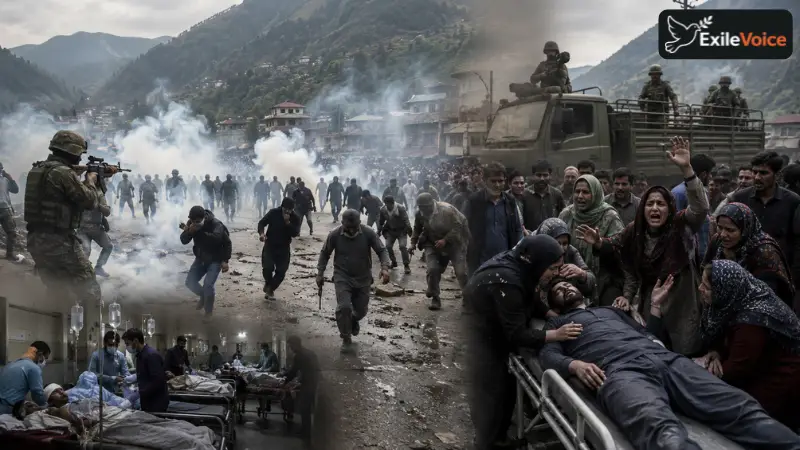
The political and security landscape in Azad Jammu and Kashmir has faced unprecedented turbulence following intense confrontations and military operations in regions such as Rawalakot and Mirpur. Protests organized under the Joint Action Committee, which initially aimed to advocate for public rights and governance reforms, transformed into severe conflict zones. Reports indicate that security forces deployed heavy measures, including sniper fire and tear gas, leading to multiple casualties and numerous injuries among civilian demonstrators.
The escalation has triggered deep regional concern, drawing parallels to historical internal conflicts. Local leadership and human rights observers have strongly condemned the use of lethal force against peaceful assemblies. Furthermore, hospitals in areas like Plandri reportedly faced restricted access, compounding the humanitarian crisis as critical patients struggled to receive timely medical attention.
Simultaneously, the electoral processes in the region faced severe disruptions and widespread voter boycotts. While initial administrative reports indicated exceptionally low voter turnouts, subsequent adjustments in reported figures drew sharp criticism from political analysts and local stakeholders who accused authorities of manipulating outcomes. Civil society groups and regional leaders have called for immediate international attention, emphasizing the urgent need for restraint, protection of civilian rights, and transparent investigations into the events.

