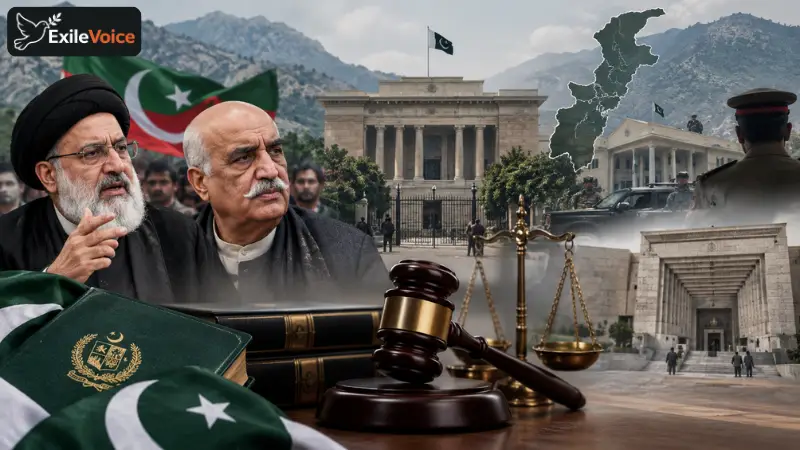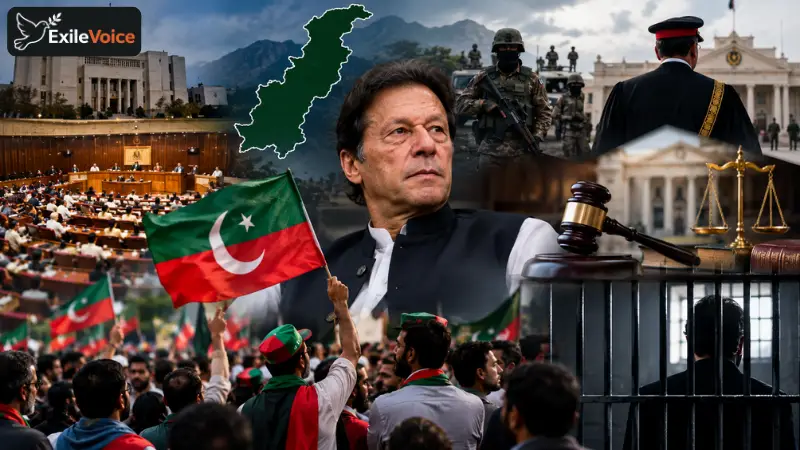
The dynamics of military-civilian relations in Pakistan have reached a critical juncture, characterized by a visible shift in the way power is exercised and perceived. Recent developments, including reports from within the military's top brass and the reactions to political unrest, indicate a state struggling to maintain its traditional influence while navigating a deeply polarized society. The video analysis highlights a concerning trend where institutional discipline is being challenged, not just by political opposition, but by an internal erosion of cohesion and an increase in public scrutiny.
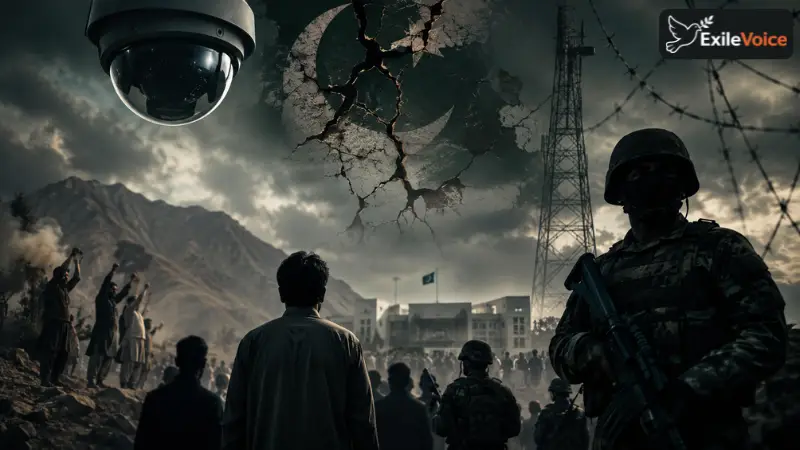
The concept of a "surveillance state," frequently discussed in the context of recent legislative and executive actions, has moved from theory to reality. This apparatus is designed to monitor and regulate the behavior of citizens, politicians, and even members of the security establishment. The impact of such policies is significant: it creates an environment of pervasive fear, where personal communication, even within the corridors of power, is subject to intense monitoring. This, in turn, has led to a situation where senior military officials themselves are reportedly wary of the potential consequences of current state policies.
Furthermore, the video touches upon the regional security challenges, specifically in Balochistan and the tribal areas. The visual evidence of conflict, including instances where local communities have pushed back against military deployments, signals a breakdown in the traditional social contract between the state and its peripheries. When the military, often heralded as the most disciplined institution in the country, is seen in instances of internal discord, it damages the institution's standing in the eyes of the public.
This volatility is further exacerbated by the state’s reaction to external and internal media criticism. By targeting media platforms and utilizing restrictive laws to control information, the state aims to maintain a singular narrative. However, the digital era makes such suppression increasingly difficult. The shift toward a more repressive stance has not resulted in greater stability; rather, it has widened the gap between the state and the youth, who are increasingly disconnected from the formal political process. This erosion of the social contract, coupled with the state’s focus on maintaining control rather than fostering dialogue, creates a volatile environment where the risk of unforeseen escalation is high. The stability of Pakistan in the coming years will depend on whether the state can move away from these repressive tactics and toward a more transparent, accountable, and inclusive mode of governance that respects civil liberties.