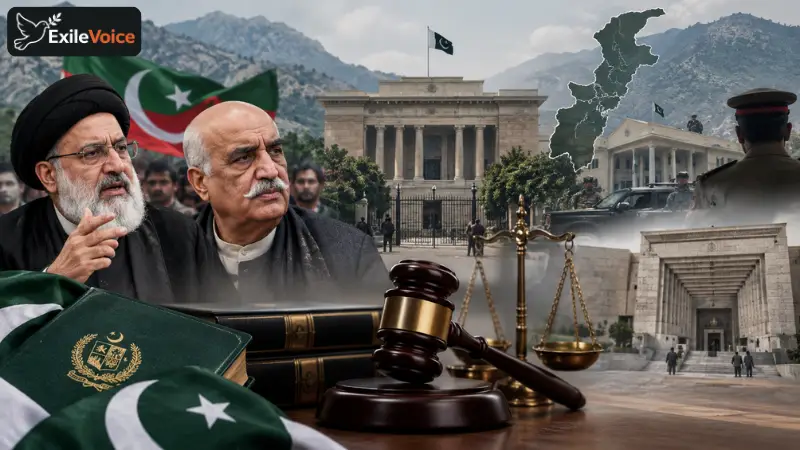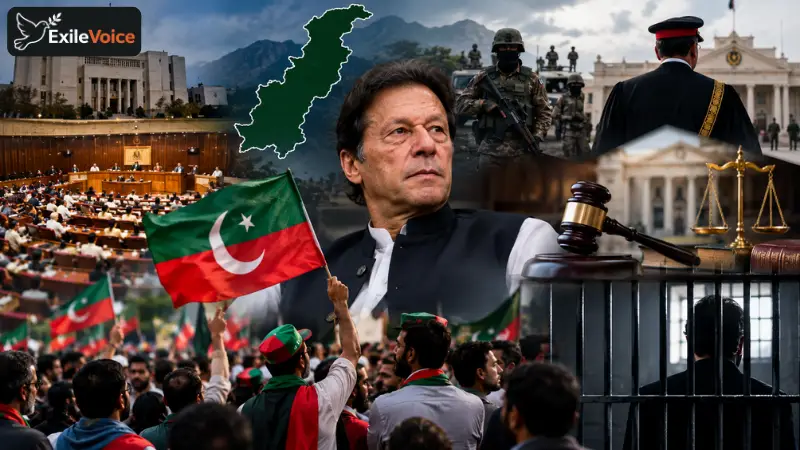
Recent political developments in Pakistan have underscored the fragile nature of political alliances and the immense pressure faced by civilian leadership. A prominent political leader recently experienced a sharp rebuke from powerful institutional figures following a public speech that questioned the handling of regional governance and electoral outcomes. The incident illustrates the delicate balance of power within the country's governance structure, where public statements by political elites are closely monitored and swiftly managed by state authorities.
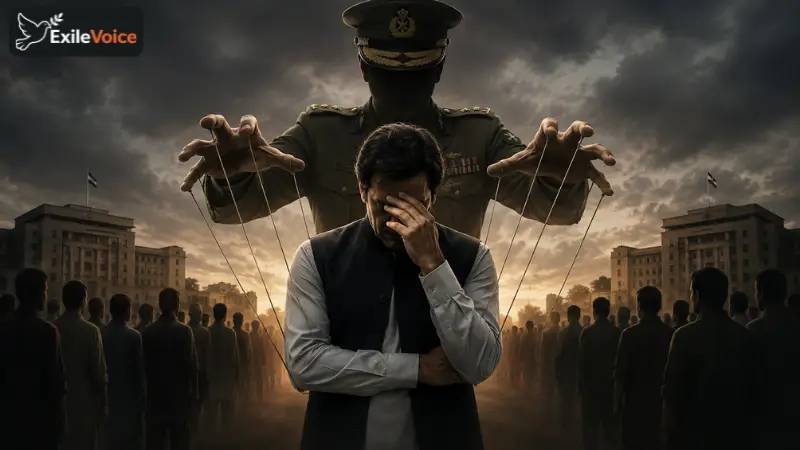
Observers note that civilian leaders frequently find themselves constrained by institutional oversight, limiting their ability to articulate independent political stances. When statements diverge from the established consensus, intermediaries are often deployed to recalibrate the political narrative. In this instance, a prominent party leader quickly revised earlier remarks, attributing them to a misunderstanding of terms rather than a direct critique of the military apparatus.
This dynamic reflects a broader systemic issue where political parties negotiate for electoral space while remaining tethered to powerful non-elected institutions. Analysts suggest that such episodes diminish the credibility of democratic processes, as political actors are compelled to retract policy positions under duress. Consequently, the public sphere remains dominated by friction between civilian aspirations for autonomy and institutional control, creating a volatile environment for future democratic consolidation.