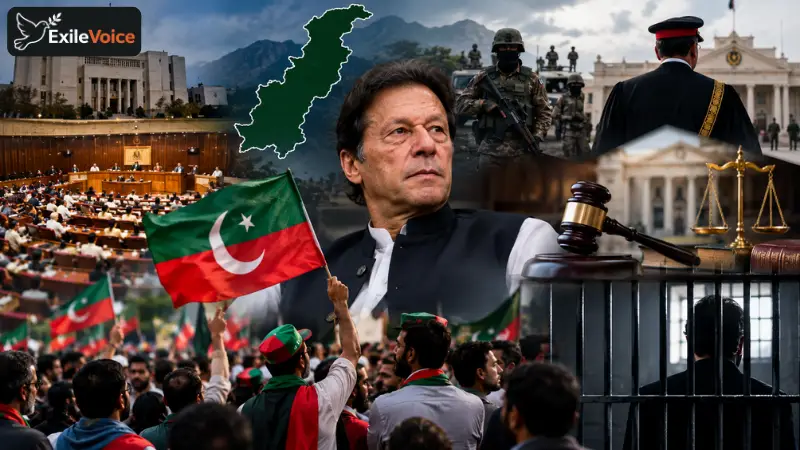
The recent controversies surrounding political discourse in the Pakistani diaspora, particularly at events like the Association of Physicians of Pakistani Descent of North America (APPNA) gatherings, highlight a growing tension between organizational autonomy and the right to free speech. The exclusion of certain political voices from official panels, contrasted with the inclusion of other government-affiliated speakers, has led to accusations of double standards. This has forced political figures and activists to seek alternative, often less formal, platforms to address their audiences, highlighting a breakdown in the space for open political dialogue within these community organizations.
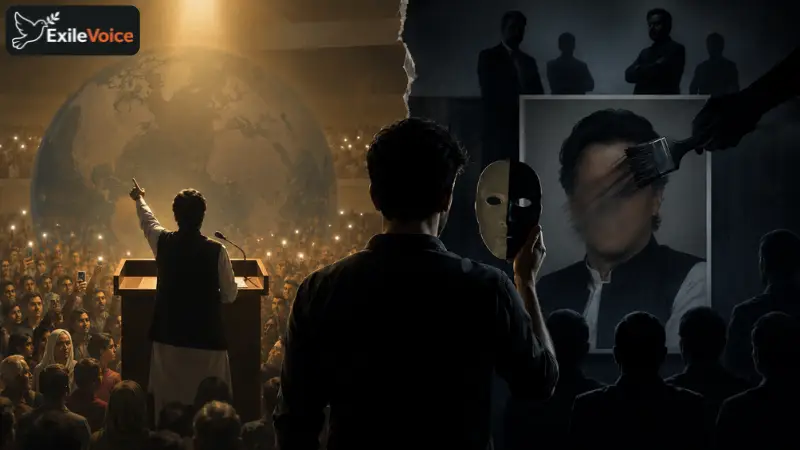
The incident involving the blurring of Imran Khan’s image at a major event, subsequently labeled an "oversight" by organizers, has become emblematic of the broader struggle for political representation. While organizers have officially apologized and cited third-party decorators as the source of the error, the incident has fueled skepticism among the PTI diaspora and supporters who feel that their movement is being actively suppressed. This episode underscores the heightened sensitivity surrounding political symbols and discourse in an era of intense polarization.
Moreover, the discourse highlights a deeper issue regarding the consistency of democratic standards. Critics argue that when platforms allow government officials to speak but restrict opposition voices under the guise of "not being political," it creates a perceived bias that undermines the credibility of those organizations. Furthermore, the internal divisions within the political opposition itself, where figures have previously accused others of collusion with state institutions, show that the movement for political and human rights advocacy is often hindered by lack of unity. True progress in political advocacy requires a move away from personal agendas and toward a collective, consistent defense of democratic rights and freedom of expression for all, regardless of the current political climate.