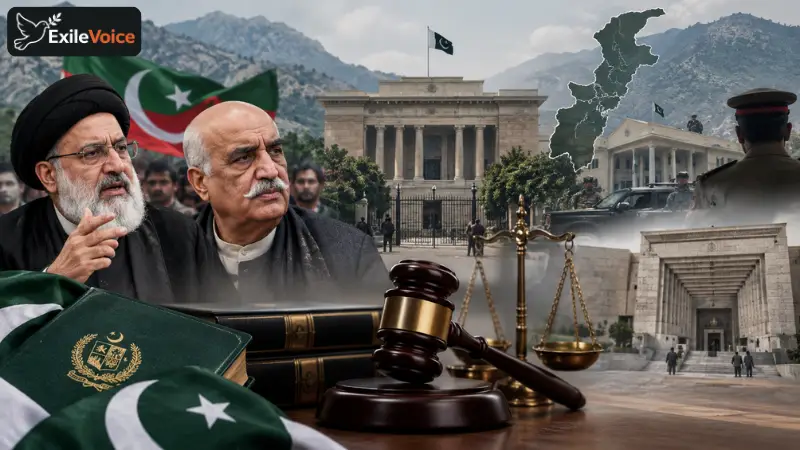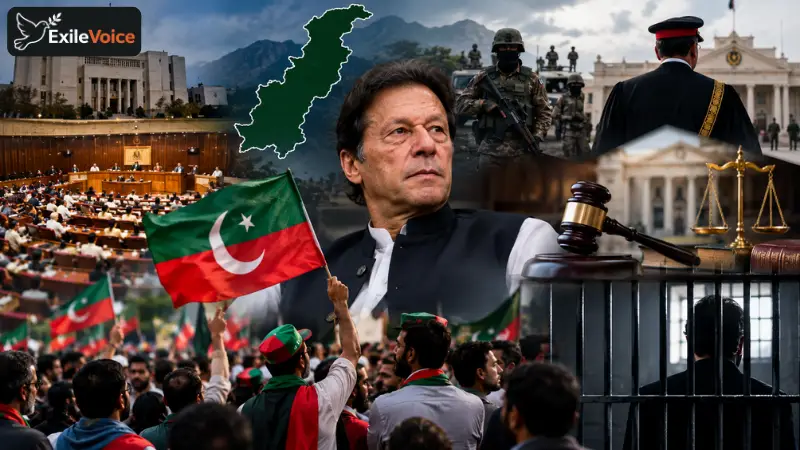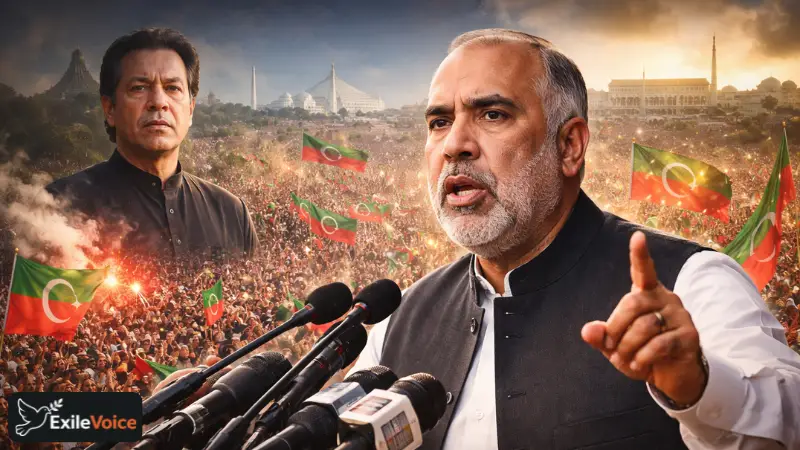
In a significant development within Pakistan's political landscape, former Speaker of the National Assembly and senior leader of Pakistan Tehreek-e-Insaf (PTI), Asad Qaiser, has come forward with a sworn statement regarding the cancellation of previous protest rallies. This disclosure aims to settle the internal and public debate surrounding the sudden postponement of the Islamabad jalsa, which had led to widespread criticism among the party's grassroots supporters.
According to Qaiser, the decision to postpone the Islamabad rally was not a sign of weakness or a back-door deal with the establishment, but a direct directive from the incarcerated PTI founder, Imran Khan. Qaiser stated under oath that legal counsel Salman Safdar conveyed a message from Khan expressing confidence in the local leadership, specifically citing Sohail Afridi. The strategic shift was to prioritize mobilization in Khyber Pakhtunkhwa (KP) before moving toward the capital. This maneuver was reportedly advised in consultation with allies like Mahmood Khan Achakzai and Allama Raja Nasir Abbas, highlighting a move toward a more "wisdom-based" and consultative opposition front.
However, the analysis of this disclosure reveals a deeper tactical friction. While Qaiser’s statement provides a shield against accusations of leadership cowardice, it also underscores a missed opportunity. Critics and political analysts suggest that the PTI leadership failed to leverage the cancellation for any tangible relief for Imran Khan. Instead of a simple postponement, the leadership could have negotiated for basic rights, such as regular family visitations or medical check-ups by trusted physicians. The professional insight here is that while the "oath" may satisfy the party's core, it does not address the lack of political "give and take" that usually characterizes effective opposition movements.
Moving forward, the focus shifts to the Mardan jalsa. This rally is seen as a litmus test for the PTI’s ability to present a "conclusive roadmap" for their leader's release. The public sentiment, as observed on social media, indicates a growing impatience with repetitive rallies that lack a clear, actionable end-game. For the PTI leadership, the challenge is now to move beyond defensive explanations of past failures and toward a proactive strategy that translates street power into legal and political results.