

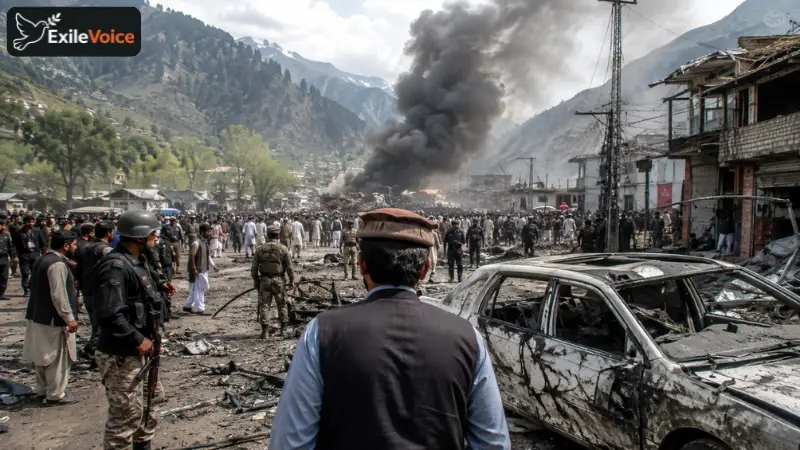
The security situation in Pakistan has once again been cast into the spotlight following a devastating blast during a peaceful public rally in the Swat Valley. Residents had gathered to demand peace and security in their region, pushing back against the ongoing lawlessness and instability. However, the event was marred by a suicide bombing that resulted in multiple casualties, leaving the local population in deep grief and outrage.
Political commentators and analysts have pointed out that the resurgence of security challenges in regions like Swat is heavily tied to past policy miscalculations. Critics highlight that earlier strategic directives involving the resettlement of displaced militant groups into Khyber Pakhtunkhwa have created long-term instability. Despite repeated official claims of launching hundreds of large-scale military operations and neutralizing insurgent elements, the persistent frequency of deadly attacks underscores a stark disconnect between official security reports and the ground reality.
Furthermore, the response from the state apparatus has drawn sharp criticism. While citizens in areas like Swat and Balochistan continue to face extreme threats to their lives, institutional priorities are frequently questioned. Reports indicate that considerable administrative focus is directed toward digital outreach programs, youth internship initiatives, and narrative management cells rather than addressing fundamental counter-terrorism intelligence. Public demonstrations in areas such as Rawalpindi have similarly faced heavy-handed crackdowns, including baton charges and arrests, intensifying civic frustration.
As the security apparatus struggles to restore genuine stability, public demand for accountability and effective governance continues to grow. Without a transparent reassessment of security policies and a genuine commitment to protecting civilian lives, restoring lasting peace in regions affected by violence remains a formidable challenge.

