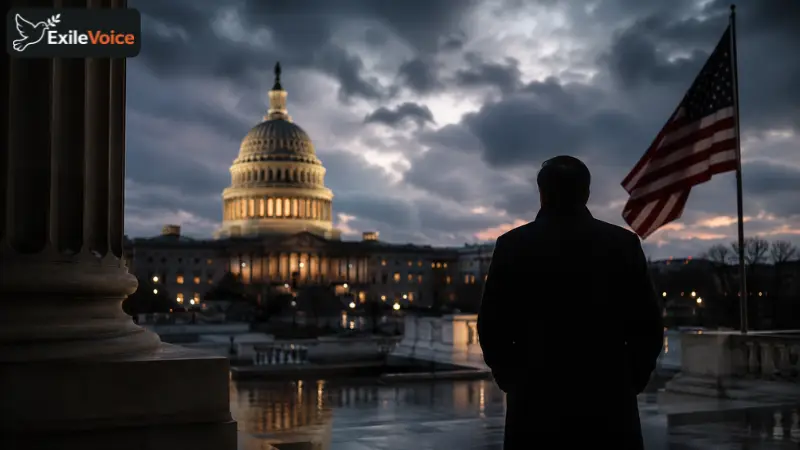
The sudden death of a high-profile figure in Washington, one with deep connections to the upper echelons of American political power, including close ties to Donald Trump, has triggered intense speculation and investigative scrutiny within the global intelligence and media communities. Such events, when occurring within the epicenter of global political power, inevitably generate a vacuum of information that is quickly filled by competing narratives, conspiracy theories, and urgent investigative reporting. The immediate response from official channels, often limited to reports of "natural death", is frequently insufficient to quell the curiosity of a public accustomed to the intricacies of high-stakes political maneuvers.
The incident highlights the volatile nature of international relations, where a single event can become a lightning rod for broader geopolitical tensions. Following the news, various media outlets and political observers immediately began projecting diverse interpretations. On one end of the spectrum, some commentators, utilizing claims often viewed with skepticism, suggested broader international involvement or pointed to hostile state actors as the potential architects behind the tragedy. These narratives, while sensational, reflect the deep-seated distrust that characterizes contemporary international discourse, where accusations of state-sponsored interference are becoming increasingly common.
Simultaneously, more mainstream analysis has shifted toward the potential implications of the figure's recent political activities, particularly regarding friction with major global powers such as Russia. The involvement of the FBI in the investigation underscores the seriousness with which Washington treats such occurrences, particularly when they involve individuals with high-level access. The death is not merely being treated as a domestic administrative matter but as a potential geopolitical incident that requires a rigorous forensic and intelligence-led approach.
This environment presents a challenge for media observers and the public alike: navigating a landscape where the speed of information dissemination often outpaces the arrival of verifiable facts. The incident serves as a stark reminder of the fragile nexus between personal relationships, political power, and international security. As investigations proceed, the primary task for analysts is to separate the verified data from the speculative noise, ensuring that the discourse remains grounded in evidence rather than narrative convenience. The ongoing situation in Washington demonstrates that even in the absence of a declared conflict, the behind-the-scenes maneuvering of power brokers remains a critical, and often dangerous, component of modern global governance.