Pakistan's political environment continues to be shaped by friction within ruling coalitions, pressure on opposition movements, and contested boundaries around digital speech and press freedom. Recent commentary points to widening fractures among political actors alongside heightened scrutiny of journalists and activists.
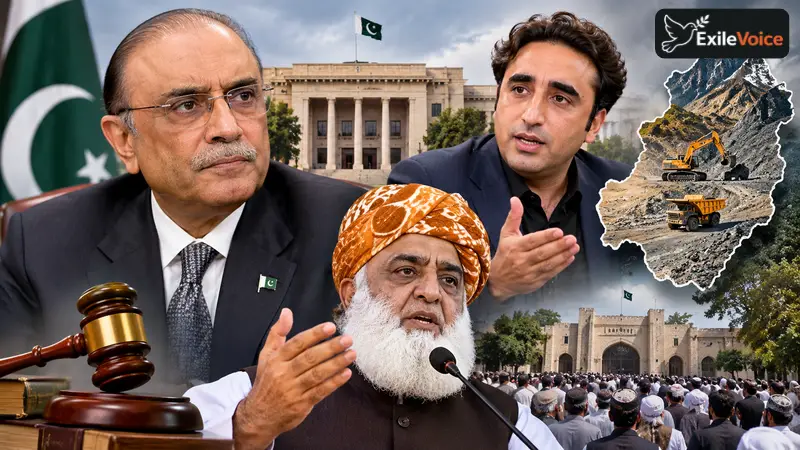
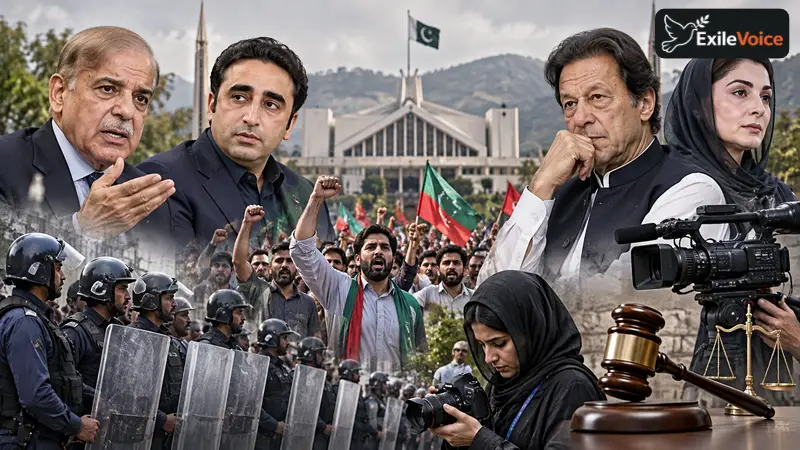
Within the political establishment, public disagreements expose strain over messaging, governance, and constitutional debates. Comments regarding the status of incarcerated political figures and discussions around provincial structures or constitutional amendments highlight divergent priorities among parties and figures tied to power. Friction between party leadership and regional officials further signals underlying stress within political alliances.
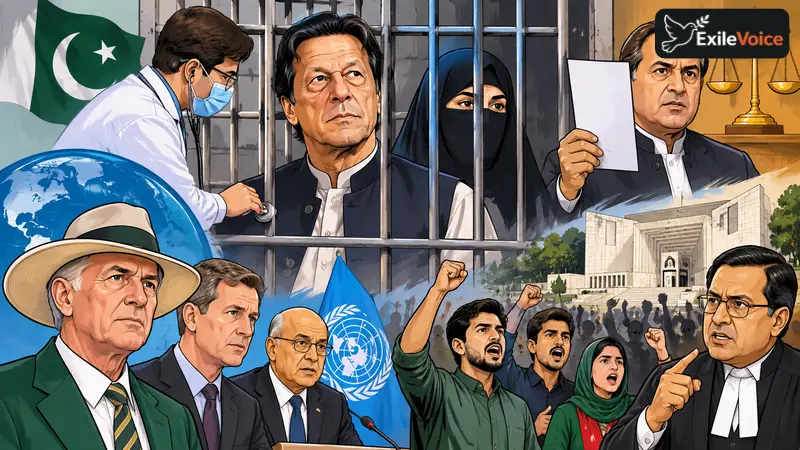
Opposition ranks face sustained organizational and legal pressure. Reports of prolonged detentions, arrests under public order provisions, and subsequent public statements announcing party departures point to intense strain on grassroots mobilization and leadership structures. Efforts to reorganize party wings and advocate for detainees, including elderly political figures facing health challenges, reflect ongoing adaptation amid legal and political headwinds.
Press freedom and online expression remain flashpoints as authorities invoke cybercrime laws and security schedules. Adding journalists to watchlists or pursuing cases under statutory provisions raises concern among media observers and rights advocates about chilling effects on investigative reporting and public commentary. Officials, meanwhile, argue that strict enforcement is necessary to curb misinformation and protect state institutions and the judiciary.
International attention adds another layer to domestic political calculations. Statements from international human rights bodies and foreign legislative commissions draw scrutiny to detention practices and democratic norms, influencing diplomatic calculus and political narratives at home.
Sustaining democratic stability in Pakistan depends on predictable rule of law, space for peaceful political organizing, and protection for independent journalism. Clear legal standards and institutional restraint remain vital to addressing polarization and restoring public confidence.