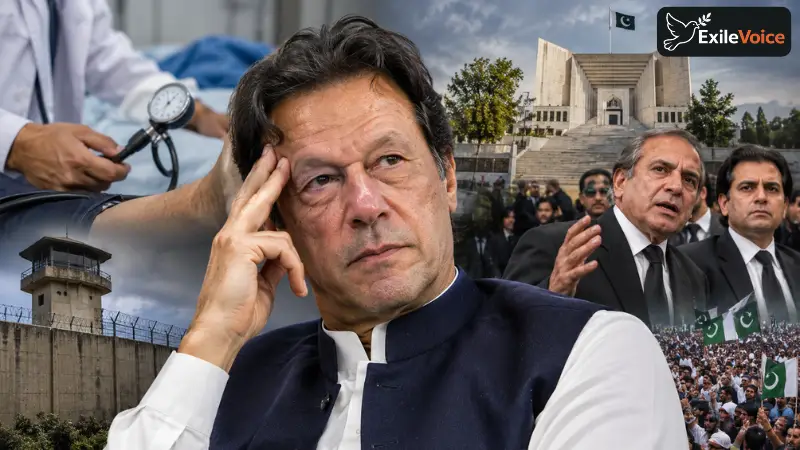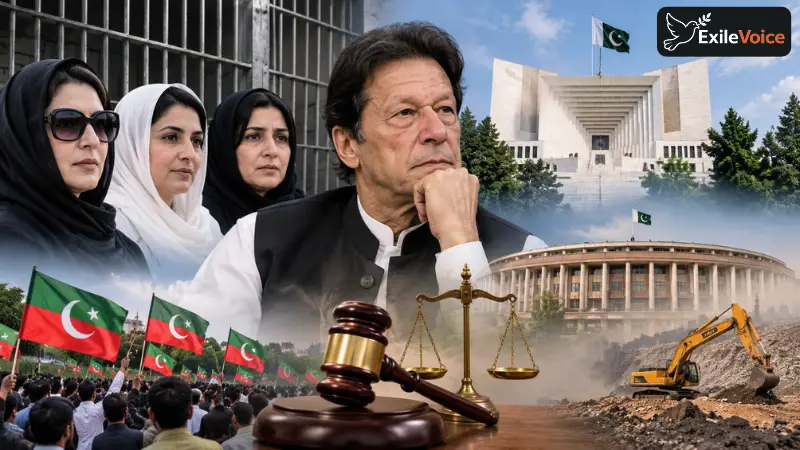

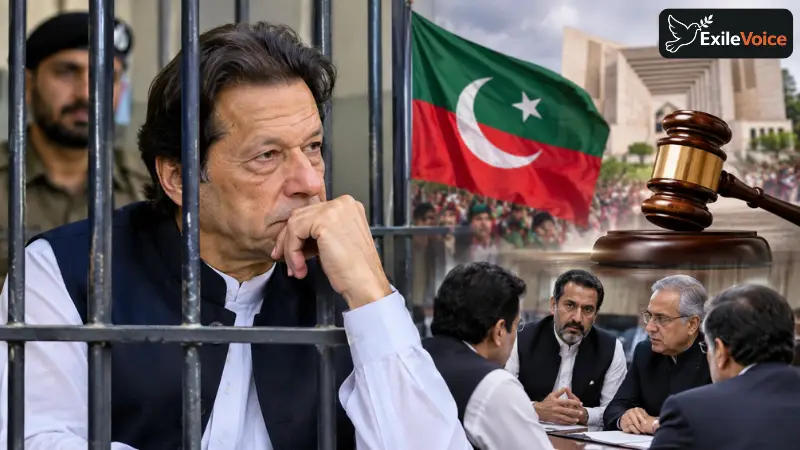
Recent developments surrounding Pakistan Tehreek-e-Insaf (PTI) highlight significant political realignments and strategic shifts following a high-profile meeting inside the prison. The discussions, which lasted for several hours, addressed key legal strategies, leadership restructuring within the party's legal wing, and broader constitutional implications involving ongoing legal proceedings.
The party leadership implemented notable changes, replacing the head of the legal wing to streamline representation and address internal coordination challenges. This transition comes at a critical juncture for PTI as it navigates complex judicial cases and organizational pressures. Observers note that these administrative adjustments reflect an effort to unify legal defenses and present a cohesive front in superior courts.
Concurrently, discussions touched upon broader legislative debates, including proposed constitutional amendments that have drawn varied reactions across political factions. While coalition parties and parliamentary groups negotiate the parameters of these amendments, opposition figures continue to scrutinize the timing and intent behind such legislative maneuvers. The interplay between judicial proceedings, party administration, and parliamentary politics underscores the fluid and challenging environment facing political actors in the country.