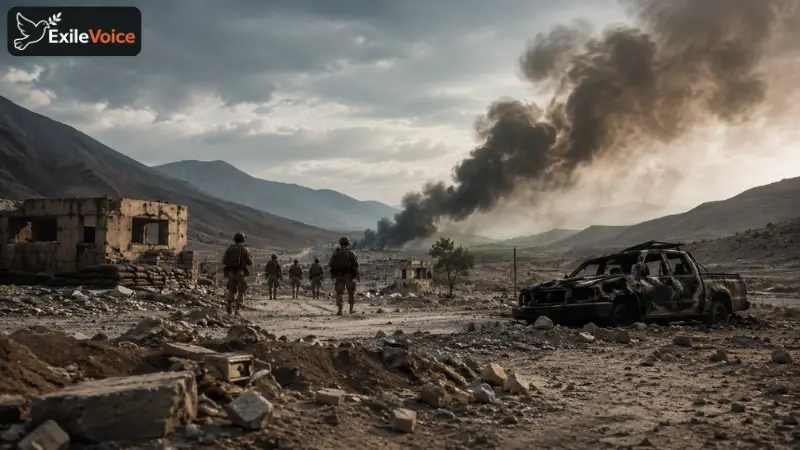
The security landscape in Balochistan has deteriorated significantly, marked by escalating violence and coordinated attacks on state infrastructure. Recent developments in regions such as Bhag highlight a profound breakdown in law enforcement and intelligence mechanisms, where armed groups have repeatedly challenged state writ. These incidents not only reflect strategic vulnerabilities but also underscore the growing chasm between local populations and federal authorities.
The human cost of this ongoing conflict is severe, with military personnel suffering heavy casualties. However, the lack of transparent accountability and the absence of clear strategic reforms exacerbate the crisis. Analysts point out that treating insurgent movements purely through conventional military lenses, without addressing the socio-political grievances of local populations, risks deepening alienation. The destruction of local livelihoods, including orchards and agricultural lands intended to mitigate security risks, further alienates communities and fuels generational resentment.
Furthermore, state communication strategies face severe credibility challenges. Relying on controversial figures to shape public narratives during national tragedies alienates citizens who demand transparency and genuine empathy. A professional and cohesive security framework requires institutional accountability, strategic clarity, and a commitment to protecting both civilian rights and national defense personnel. Without a fundamental shift in policy and public engagement, the cycle of instability in the region will likely persist.