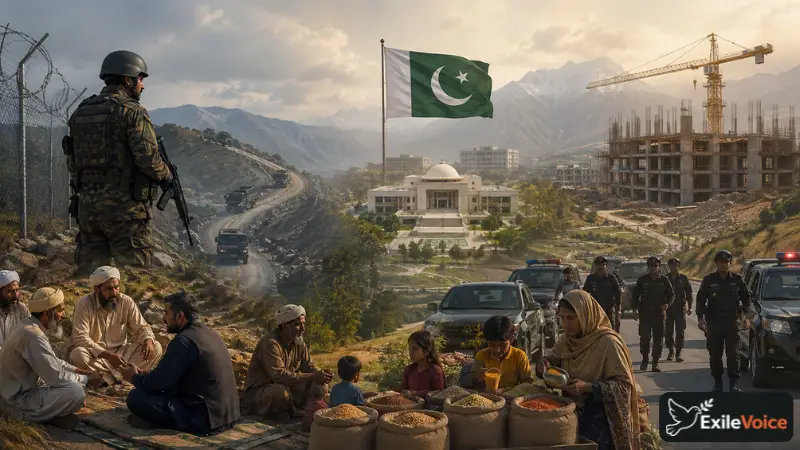
Internal security dynamics and governance reforms continue to dominate national discourse within Pakistan, encompassing border security, provincial administrative changes, and socio-economic pressures. Recent assessments highlight multifaceted security concerns, ranging from counter-terrorism operations in border regions to administrative updates regarding provincial boundaries and local governance structures.
Administrative proposals regarding the formation of new provinces have sparked extensive debate among legal experts, political stakeholders, and civil society organizations. Proponents argue that administrative decentralization can improve resource distribution, governance efficiency, and regional development. Conversely, critics raise concerns regarding historical administrative integrity, cultural unity, and the potential complexities associated with redrawing internal boundaries. Legal bodies, including bar councils, have actively participated in discussions surrounding constitutional provisions and legislative frameworks governing provincial reorganization.
Simultaneously, socio-economic indicators point toward ongoing challenges related to food security and resource allocation. International monitoring reports and local evaluations emphasize the importance of addressing basic sustenance requirements for vulnerable populations amidst fluctuating economic conditions. Ensuring equitable access to essential goods and supporting sustainable growth remain critical priorities for domestic policy formulation.
At the same time, regional stability requires continuous monitoring of internal law and order. Law enforcement agencies face complex operational environments in addressing security threats, managing transit routes, and maintaining public safety across various districts. Collaborative efforts between federal and local authorities are deemed essential to foster long-term stability and economic resilience.