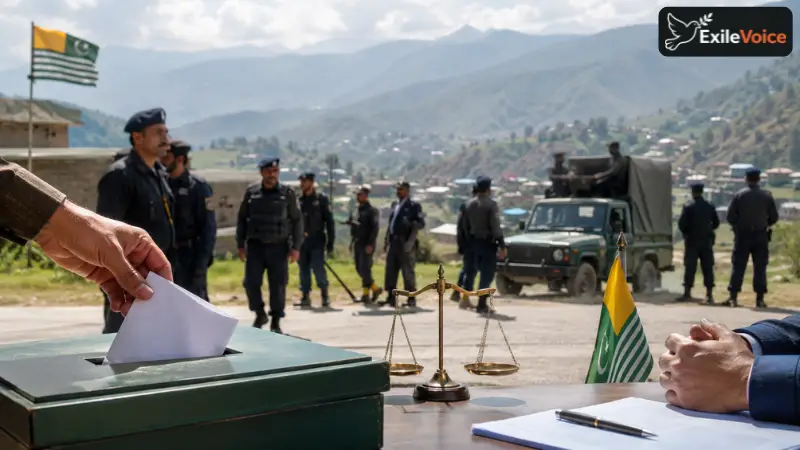
The landscape of regional elections involves complex administrative preparations, security deployments, and political realignments. Recent developments surrounding the elections in Azad Kashmir highlight the substantial deployment of security personnel from external provinces to manage electoral proceedings. Reports indicate that thousands of police officers have been assigned to maintain order across various electoral phases, incorporating standard security equipment alongside crowd-control gear.
Political analysts and commentators closely monitor these electoral cycles for indications of broader governance trends. Discussions center on the strategic positioning of major political factions, administrative transitions, and the anticipated outcomes of multi-phase voting in areas such as Mirpur, Muzaffarabad, and Rawalakot. Observers frequently debate the alignment of regional political parties with federal structures and the impact of welfare-oriented or infrastructure-based outreach programs conducted by visiting leaders.
Critics and analysts continue to examine the transparency of electoral processes, raising questions about institutional influence and public trust in regional governance. While political entities vie for administrative control through targeted campaigns and resource distribution, the underlying concerns regarding electoral integrity remain central to political discourse in the region.