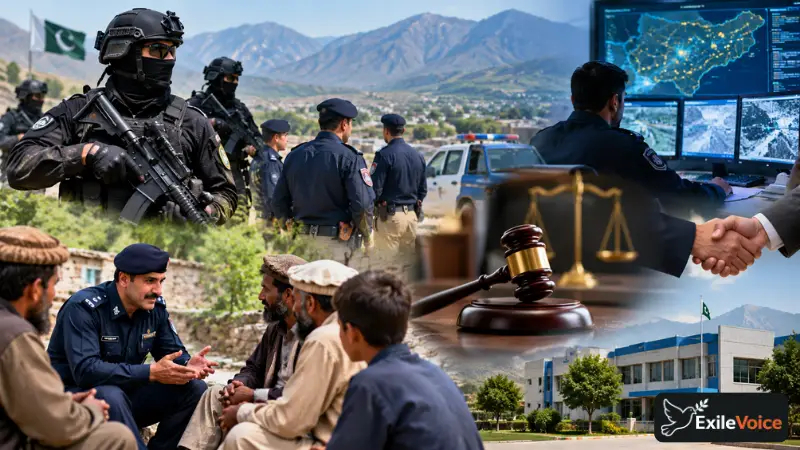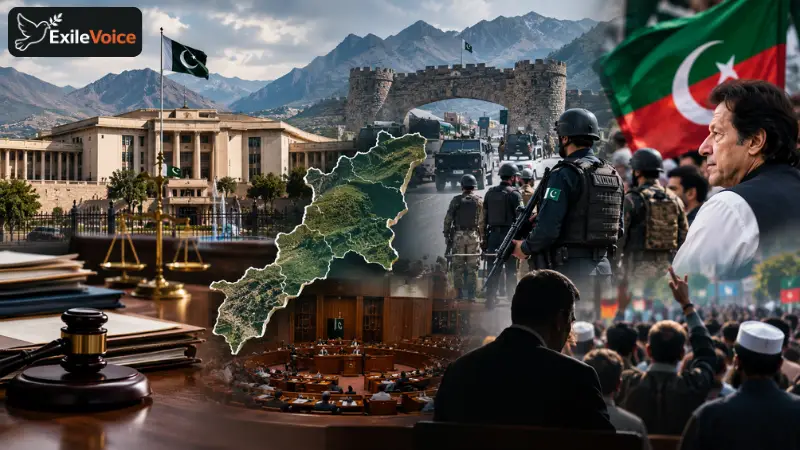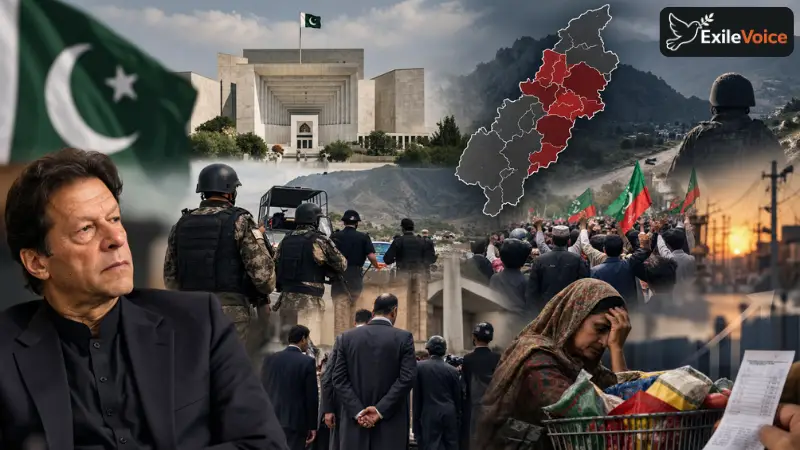
The domestic political landscape in Pakistan is currently defined by a complex intersection of administrative shifts, heightened security designations, and growing civic tension. Federal authorities have formally designated multiple districts across Khyber Pakhtunkhwa as security risk areas, reflecting significant security challenges in the region. This classification has necessitated special administrative measures, including hazard allowances for officials serving in these high-risk zones.
At the same time, regional governance and political dynamics continue to experience rapid changes. Ongoing legal challenges, high-profile administrative reassignments, and debates over provincial governance structures dominate the political discourse. Across various provinces, increased police actions, detentions, and preparations for upcoming political demonstrations point to mounting friction between the state apparatus and political opposition groups. Amidst these escalating tensions, imprisoned political leadership has urged parties and lawmakers to refocus their efforts on pressing public welfare concerns, such as soaring inflation, high utility bills, and economic relief, rather than getting bogged down by localized controversies.