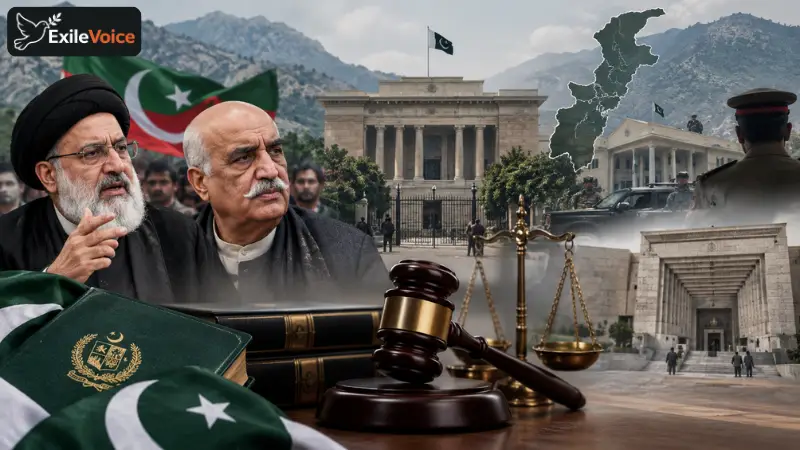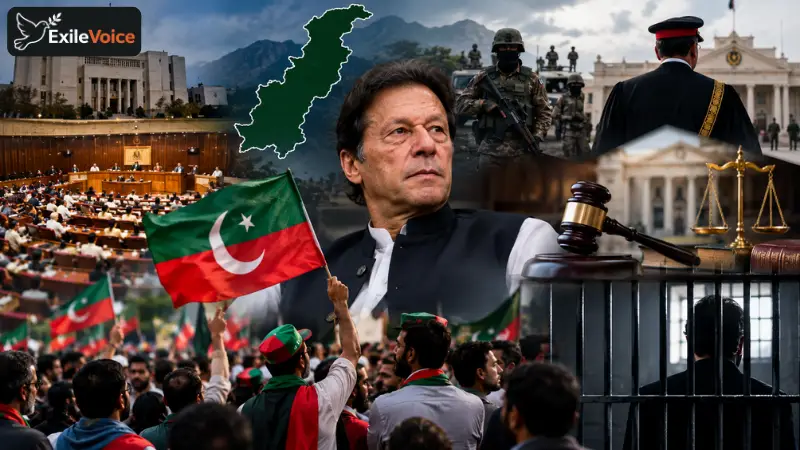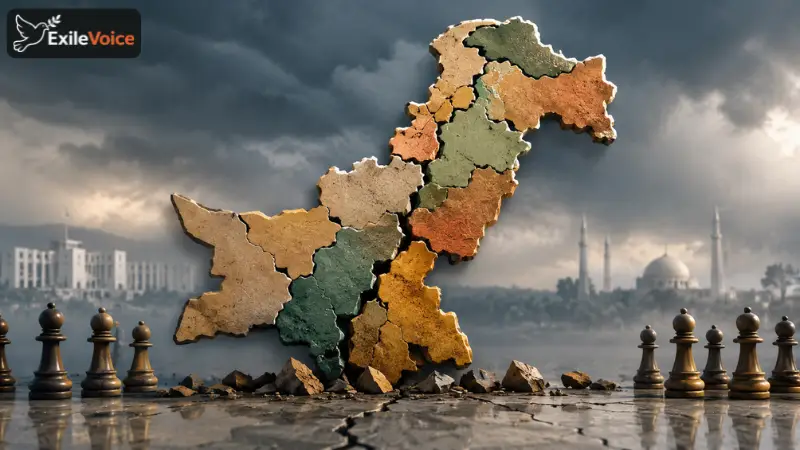
Recent discussions among political figures and analysts in Pakistan highlight a growing consensus that the existing parliamentary framework faces deep systemic challenges. Observers note that repeated governance hurdles have intensified calls for structural reforms, including the creation of multiple new administrative units or provinces to improve local governance and administrative efficiency.
Critics of the current political model argue that centralized structures often struggle to meet the diverse socio-economic demands of local populations, leading to administrative bottlenecks and public dissatisfaction. Proponents of decentralization suggest that dividing larger administrative regions into smaller, manageable units could bring government services closer to the grassroots level, ensuring better resource allocation and representation.
At the same time, discussions continue regarding the roles of various state institutions and political leadership in steering the country through economic and administrative transitions. While some emphasize the necessity of constitutional amendments to restructure governance, others argue that long-term stability requires comprehensive institutional harmony and strict adherence to democratic principles. The ongoing debate underscores the complexity of Pakistan's political landscape as stakeholders search for viable pathways toward administrative reform and national stability.